English
 Čeština
 Українська
 polski
 Français
 Deutsch
 Română
 English – US
 Magyar
 Italiano
 Dansk
Dansk Lietuvių
.png) English – CA
English – CA Español
 Български
 Русский
 BEDNAR FMT


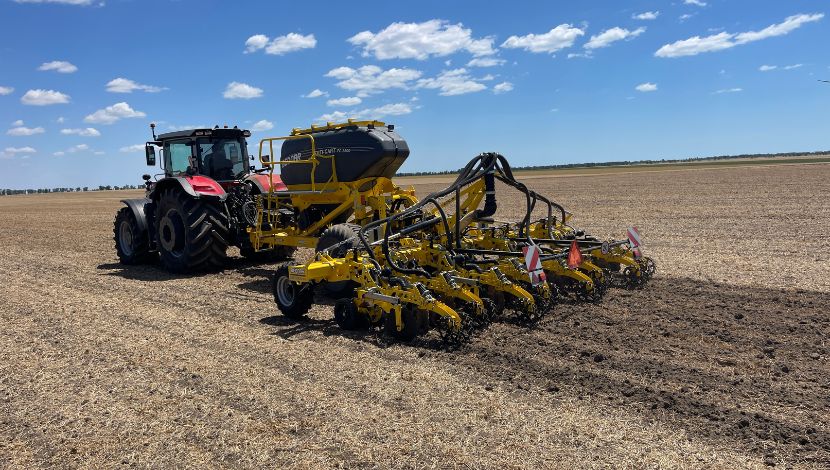
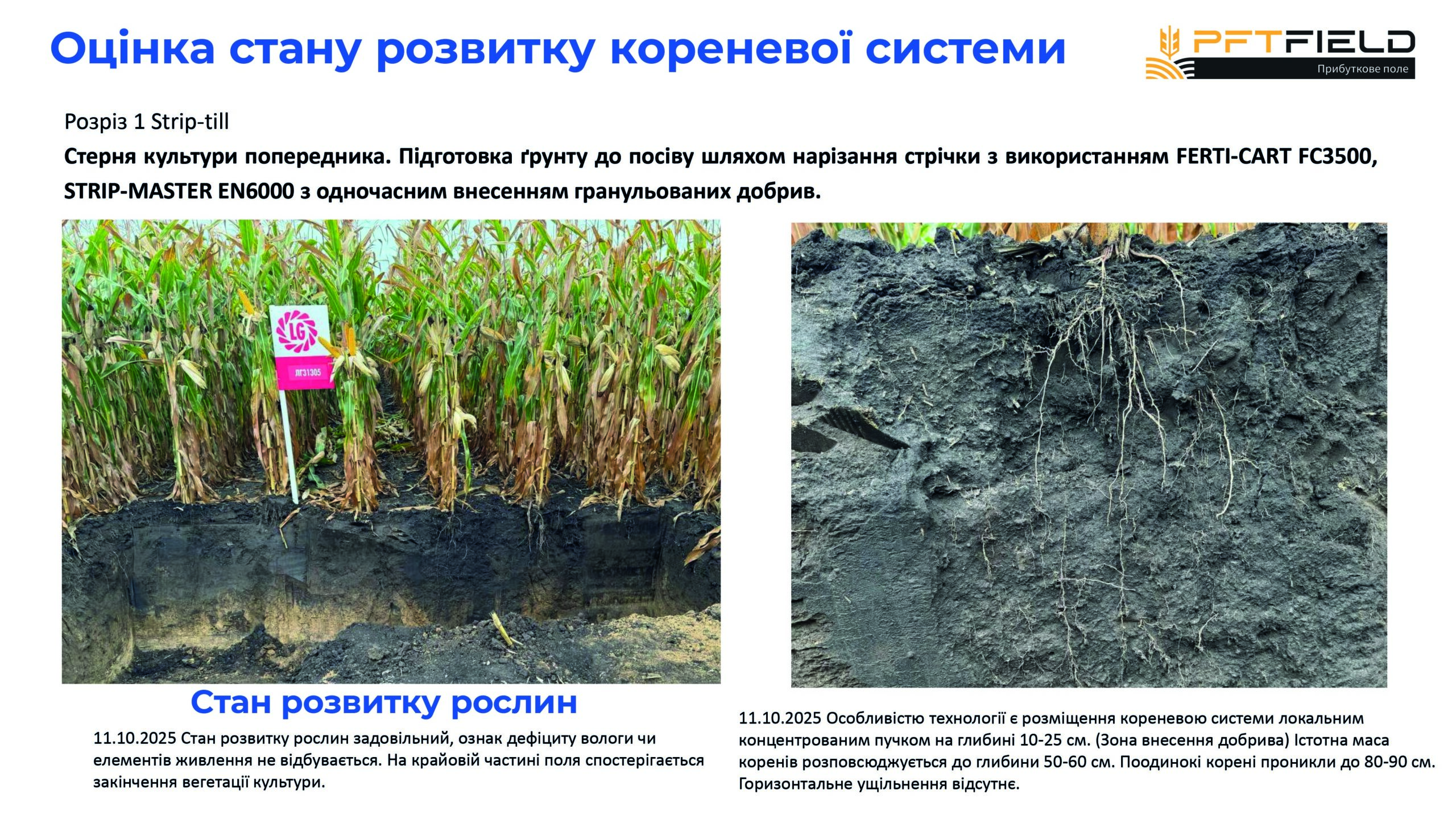
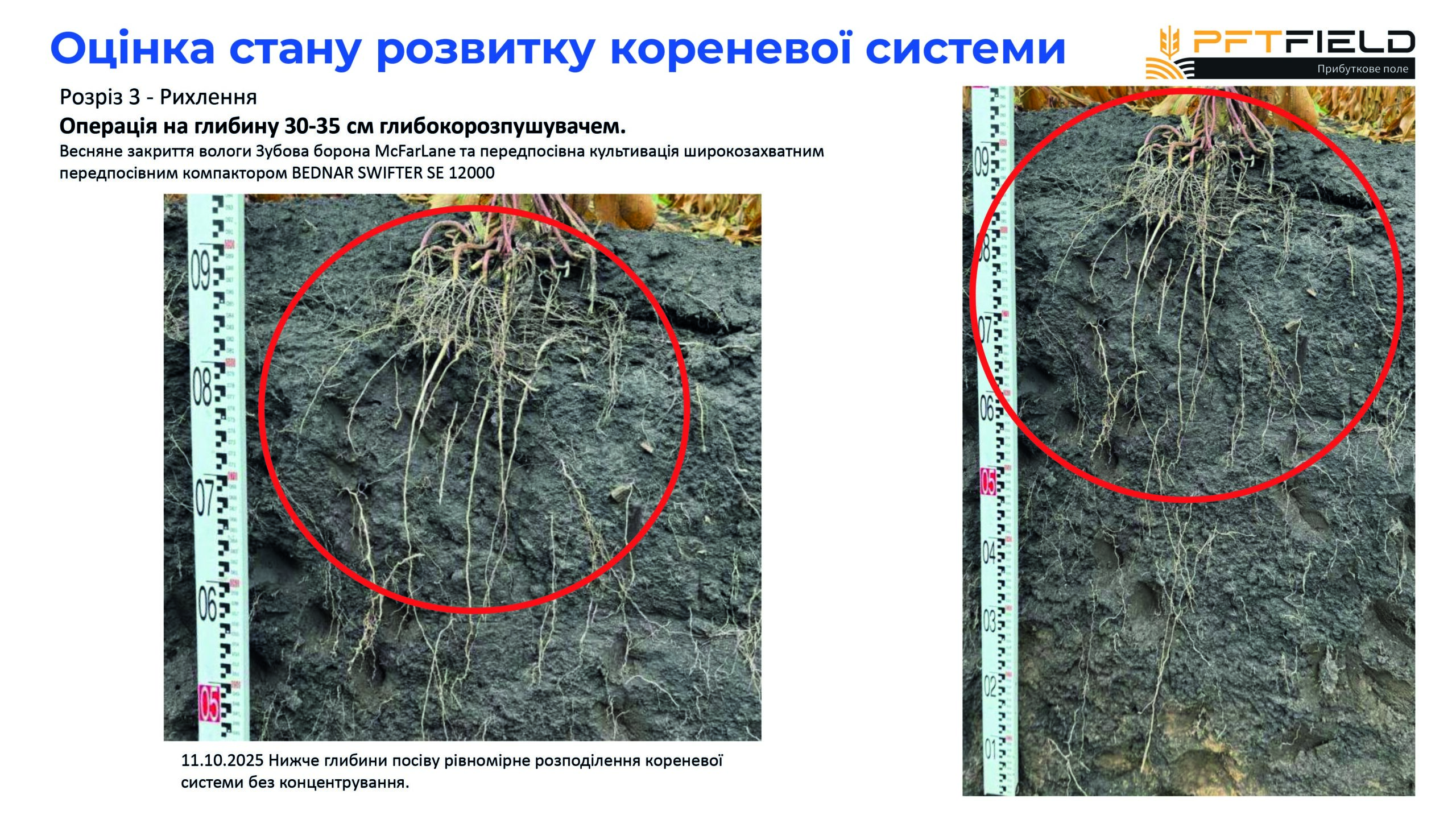
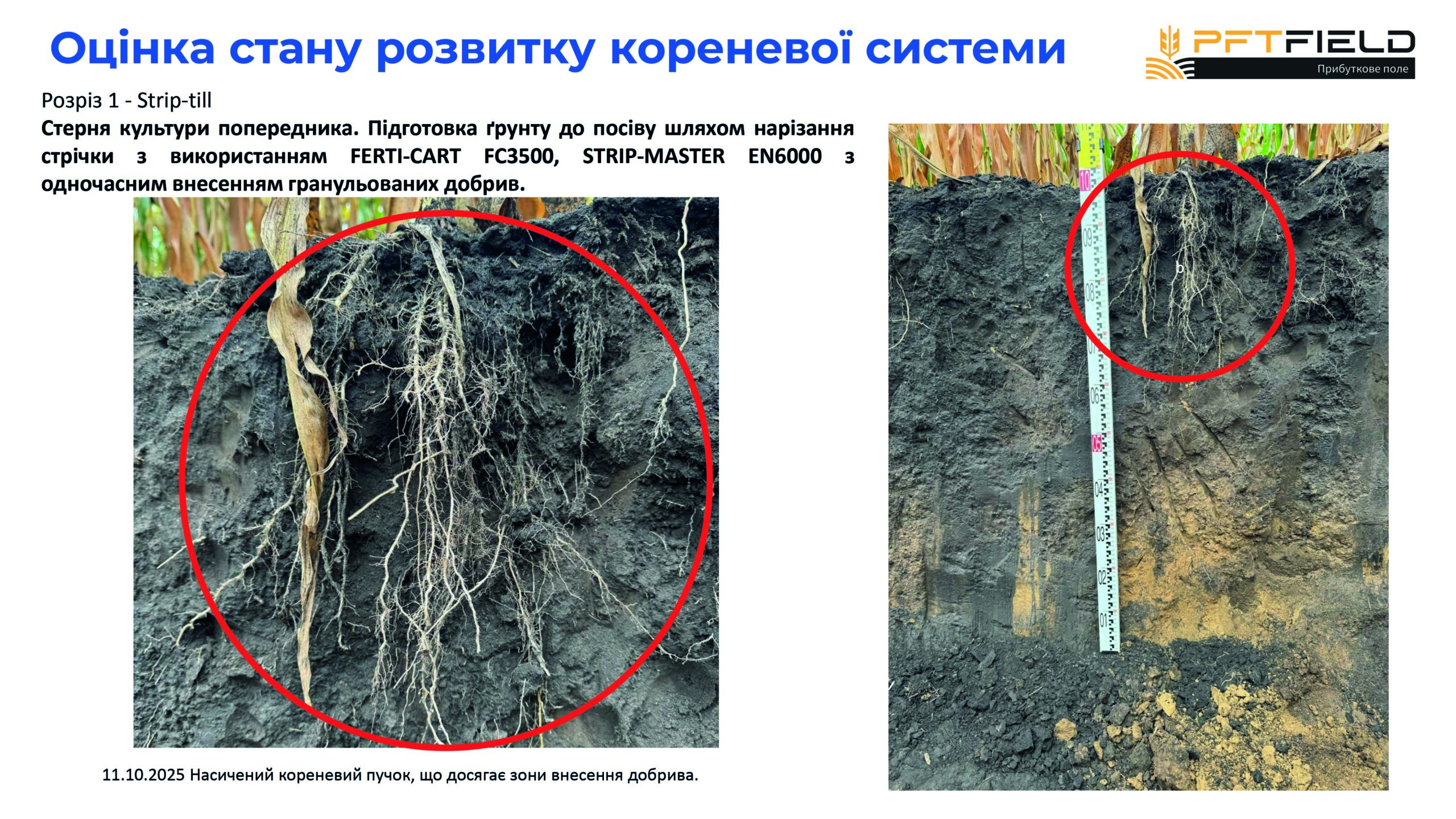
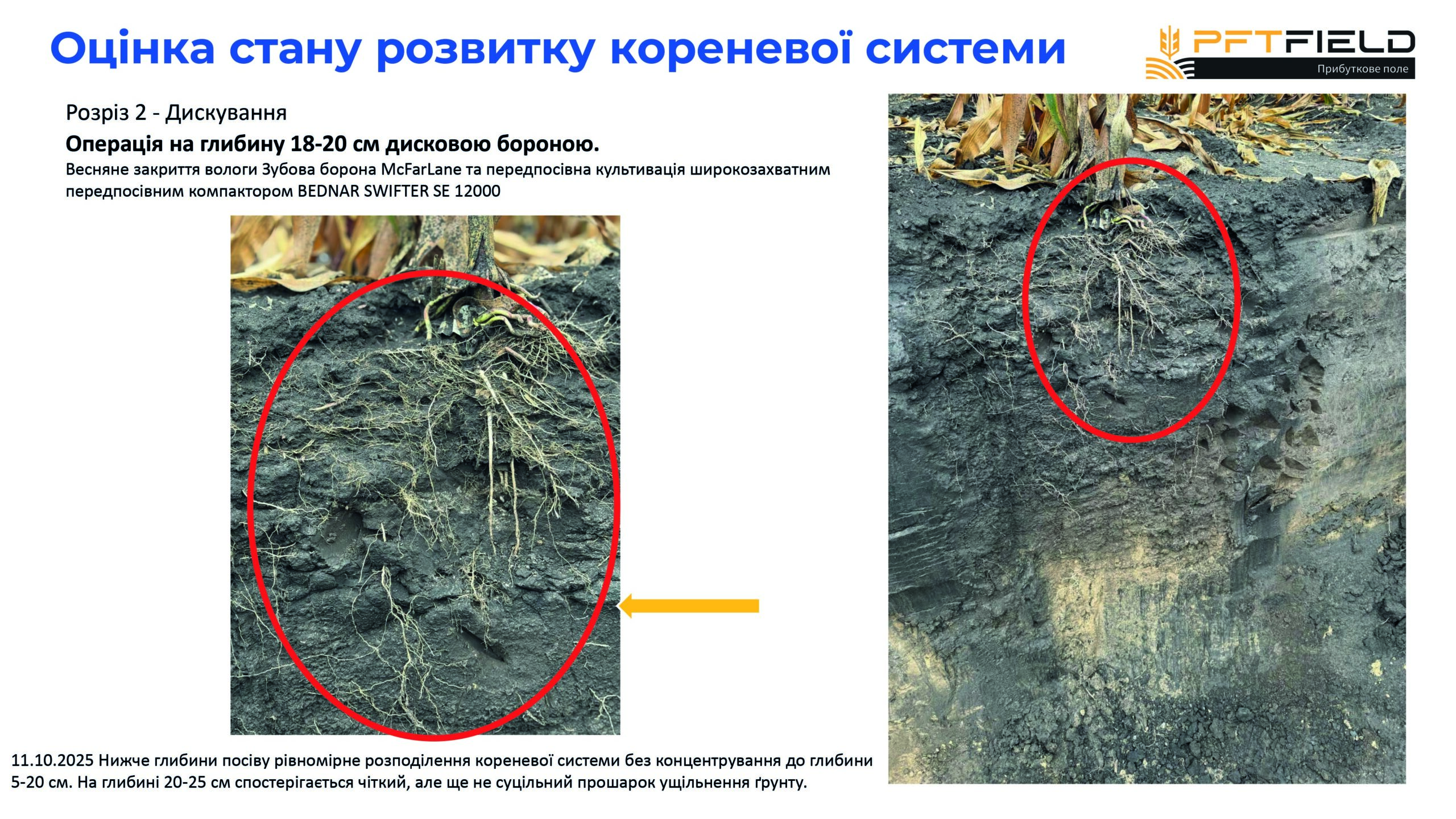
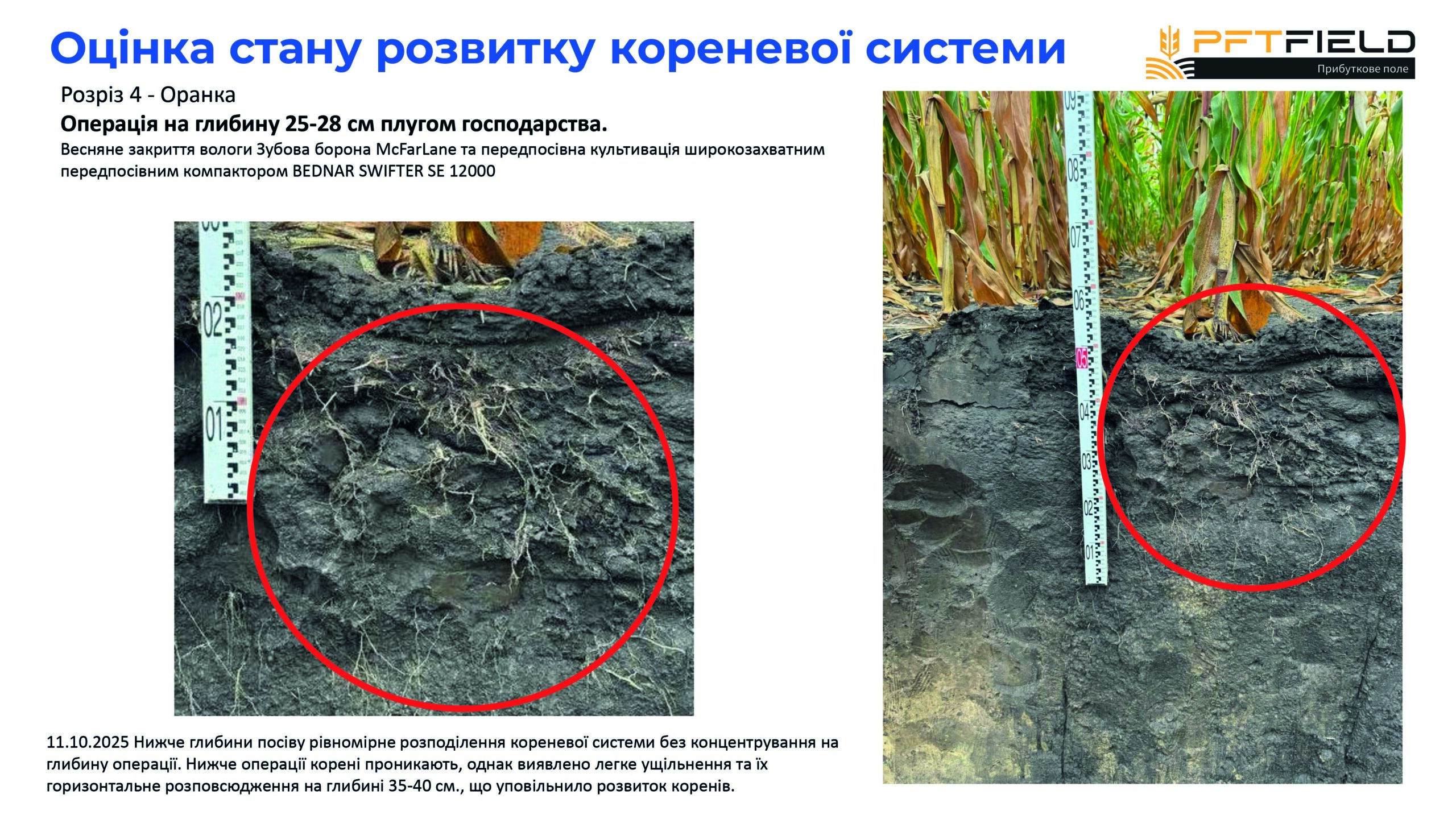
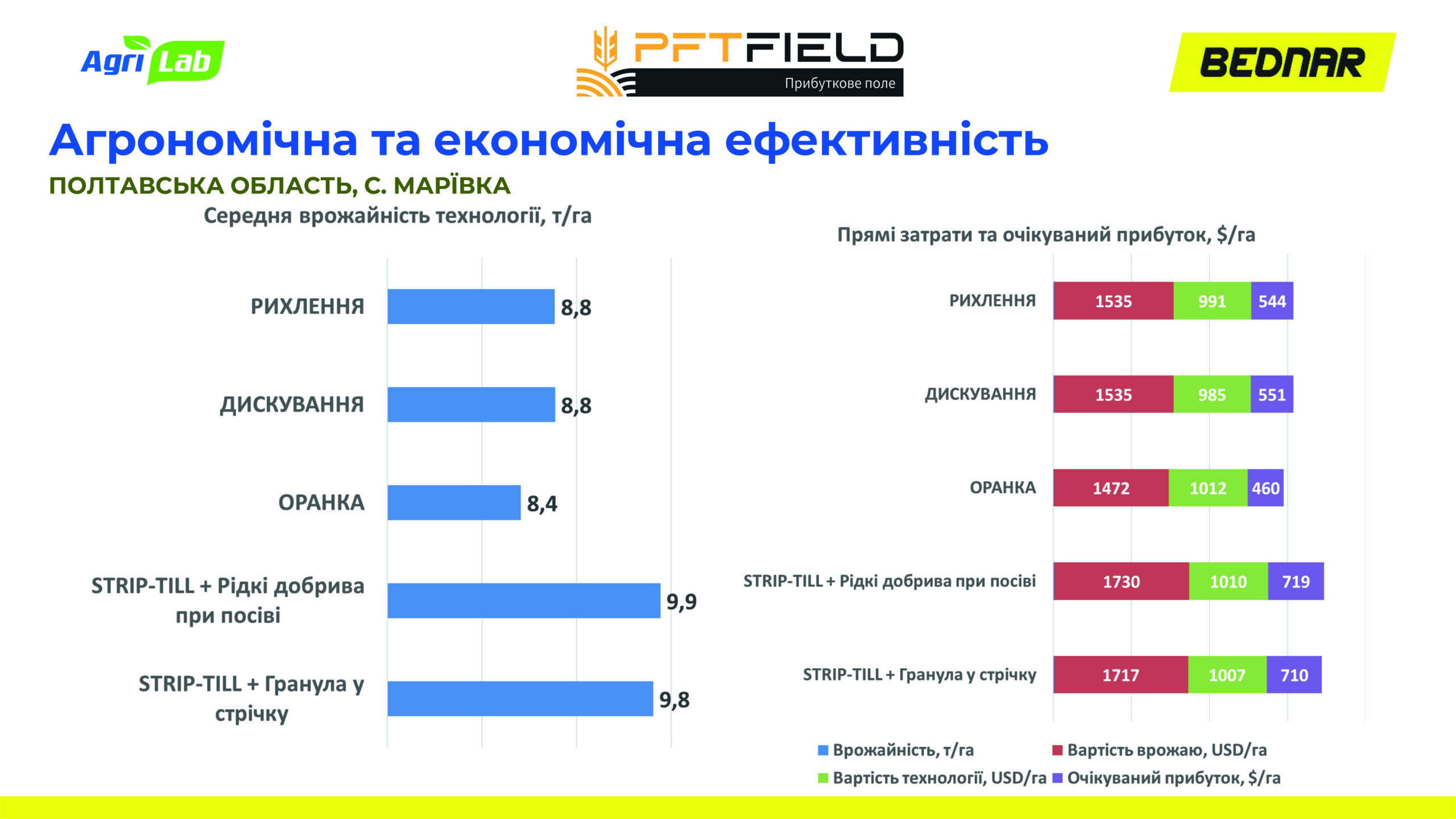
Seeding took place relatively late, on 3 June 2025. During the growing season, 281 mm of precipitation fell, of which 203 mm fell after seeding. At first glance, it might have seemed that there was sufficient moisture. However, after emergence, the maize suffered cold stress — minimum temperatures dropped to +4 to +6 °C. The subsequent development of the plants was thus ultimately determined by the tillage system and the condition of the root system.
08.
October
2026
October
2026
Masters in Every Season: Experience with…
Farmers from Hungary, Germany and Slovakia share their experiences with BEDNAR machines in the first three episodes of Masters in…