Menu
×
What are you looking for?
News

Strip-till seeding of winter rapeseed: how the MATADOR MO seed drill promotes deeper root development, better water management and crop stability

Strip-till technology combined with seeding, is one of the most promising approaches in modern agronomy in conditions where it is necessary to manage soil moisture more effectively, minimise unnecessary disturbance of the soil profile and, at the same time, establish crops with a high degree of precision.

In practice, its benefits are particularly evident when establishing winter rapeseed, which requires rapid and uniform initial development, a high-quality root system and good condition for entering the winter period. It is precisely in this regard that the BEDNAR MATADOR MO seed drill offers a very interesting solution, as it combines strip tillage, planting, targeted fertiliser placement and the option of seeding a catch crop in a single pass.
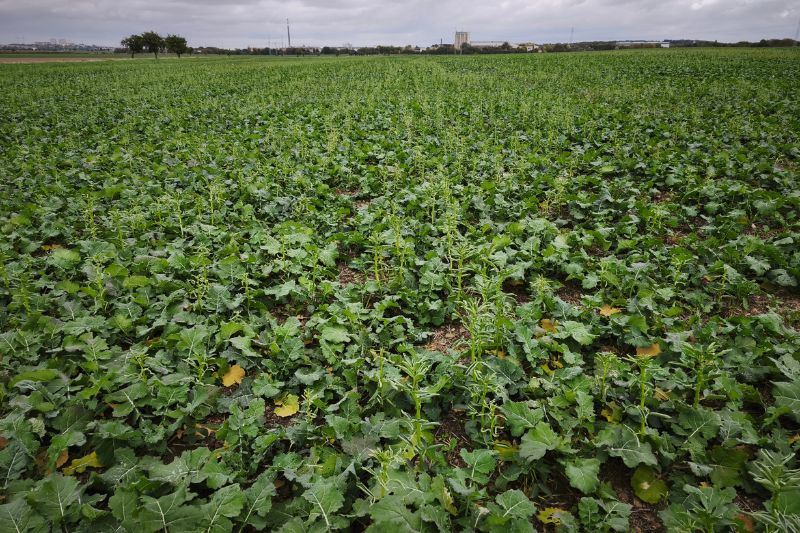
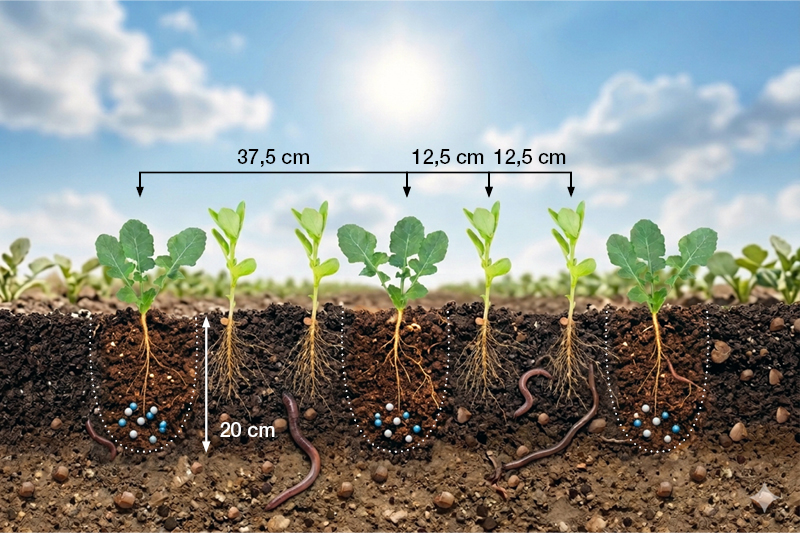
In Markovice, in Czech Republic, winter rapeseed was seeded in 2025 using the MATADOR MO seed drill into winter wheat stubble. The seedig rate was 2 kg/ha (Lessing hybrid), with the main crop’s mid rows seeded by a catch crop – broad beans – at a rate of 70 kg/ha. The rapeseed was seeded at a row spacing of 37.5 cm. The machine’s tine section enabled simultaneous zonal loosening to a depth of 20 cm, and TOP-PHOS 20P fertiliser was placed to the bottom of the loosened zone during seeding. Two rows of broad beans were simultaneously seeded in the mid row at a spacing of 12.5 cm. This combination clearly illustrates what strip-till, as performed by the MATADOR MO machine, entails in real field conditions. The soil is not tilled across the entire area, but only in precisely defined strips, where both mechanical soil preparation and the seeding and fertilisation of the main crop are concentrated.

It is these interventions within the strip of the future row that constitutes one of the main agronomic advantages of strip-till technology. The soil between the rows remains largely undisturbed, which reduces moisture loss, lowers the risk of erosion and, at the same time, preserves biological activity in the soil. In the strip where the rapeseed plant develops, an environment is created with lower mechanical resistance, better aeration and a precisely placed nutrient. This is particularly important for rapeseed, which is sensitive to the quality of its establishment and, as early as autumn, determines future yield based on how quickly and deeply its root system establishes itself. Here, the MATADOR MO acts not merely as a seed drill, but as a tool for the targeted shaping of the root zone.

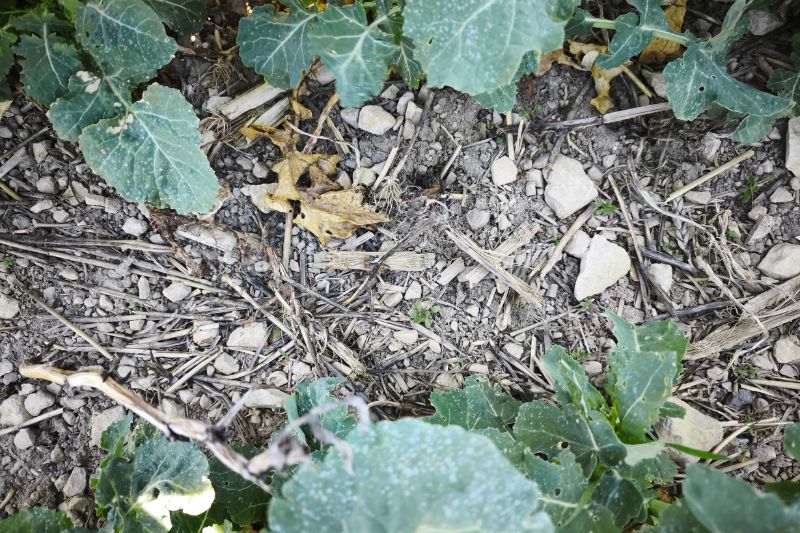
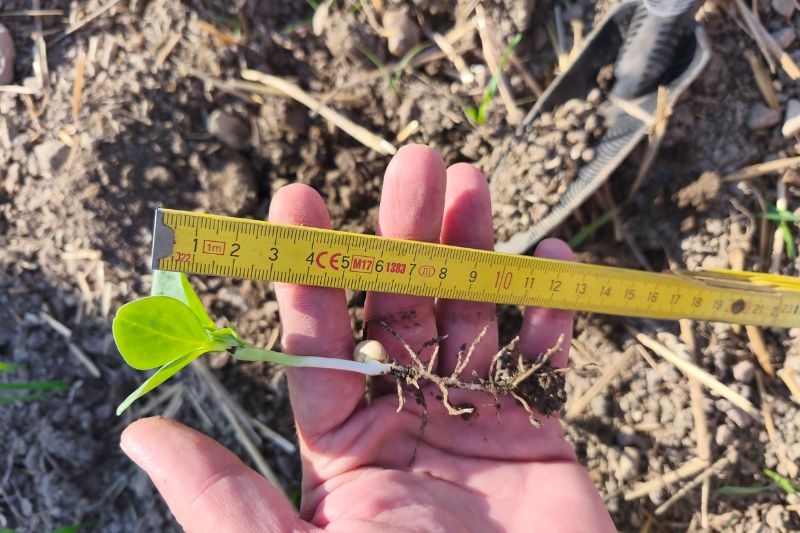
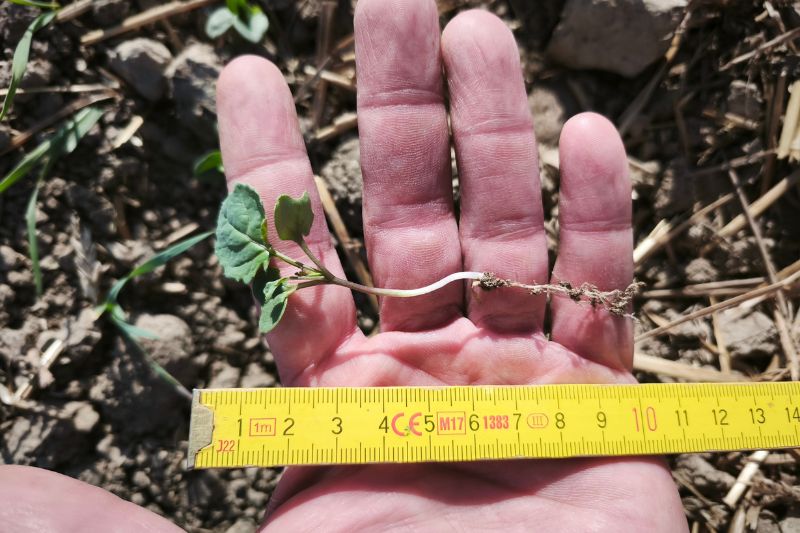
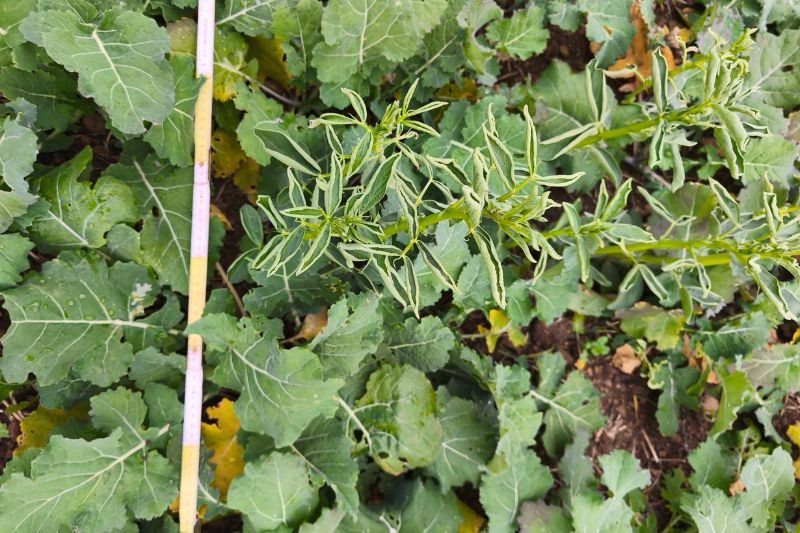
The first crop inspection on 22 August 2025 showed that development was negatively affected by the subsequent dry weather following seeding, a situation that is by no means unusual on farms today. At the same time, following seeding into stubble, there was a higher incidence of volunteer cereals, which were subsequently controlled with a graminicide. Nevertheless, it was found that the broad bean, as a companion crop, established good root penetration in the un-tilled zone between the rapeseed rows. This is agronomically significant because the roots of the companion crop contribute to biological tillage even beyond the tilled strip itself, improve soil structure and support future water infiltration pathways. In this case, strip-till technology is therefore not just about mechanical tillage within the row, but about combining mechanical and biological effects throughout the entire crop profile.

Přesnost, která dává smysl

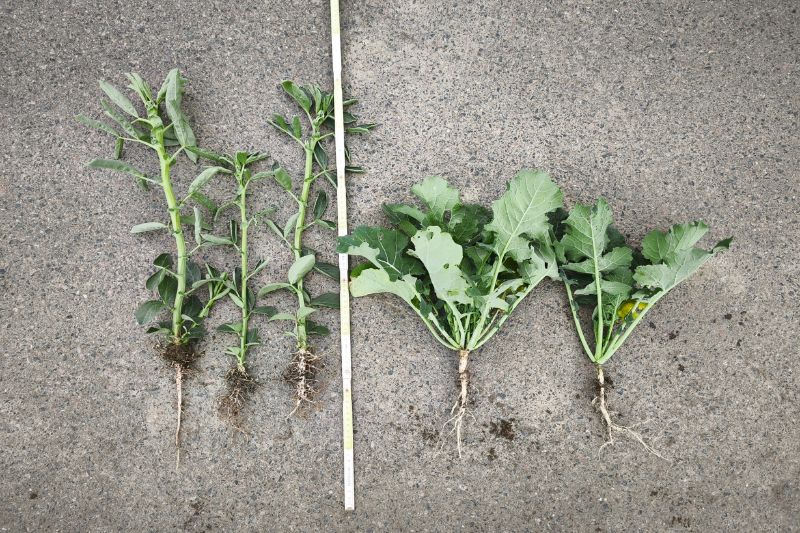
A further assessment on 7 October 2025 confirmed that the winter rapeseed plants had developed into robust individuals with a root collar diameter of 1.5 to 2 cm, and the roots responded positively to both strip tillage and the placement of fertiliser. Broad bean plants 30 to 50 cm tall were present in the mid rows. They rooted well in the soil without restricting the development of the main crop. Of particular significance were the active nodules of symbiotic bacteria on the fava bean root system, as they confirmed the biological fixation of atmospheric nitrogen. Once the residues of the companion crop have decomposed, this nutrient can become part of the nutrition for the subsequently developing oilseed rape. From a technical perspective, this is an important argument in favour of a system that combines strip-till, band fertiliser placement and a companion crop. The result is not only better crop establishment but also broader support for soil fertility.

Furthermore, developments in the autumn revealed another important feature of the system. The first low ground temperatures began to naturally restrict the growth of the companion crop, which met the requirement of the technology that the companion crop should die off by spring and no longer compete with the main crop. Such a sequence of events is agronomically very valuable. The companion crop fulfils its function during the autumn, when it helps with soil structure, builds root biomass and binds nutrients, but by spring it leaves the field to the main crop. The bean residues then remain on the surface and in the soil as a source of organic matter and as a factor supporting the plot’s water regime. Combined with strip-till technology, this creates a more stable environment for the further growth of the rapeseed crop.

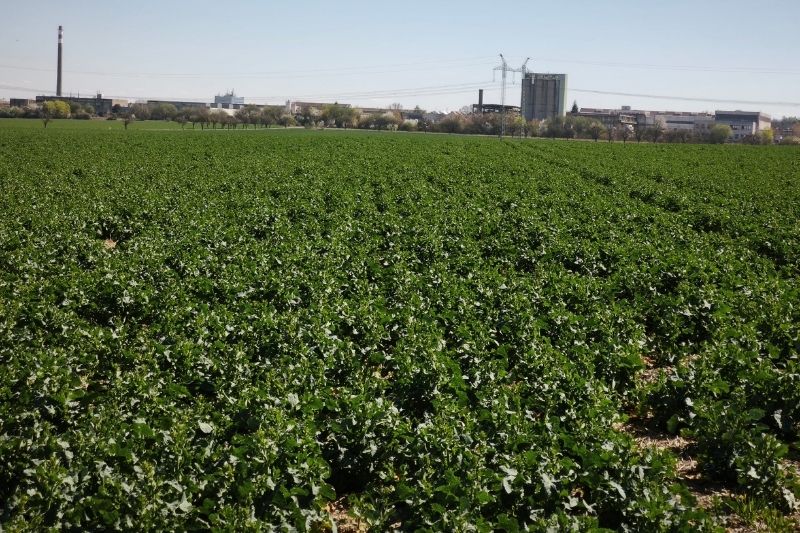
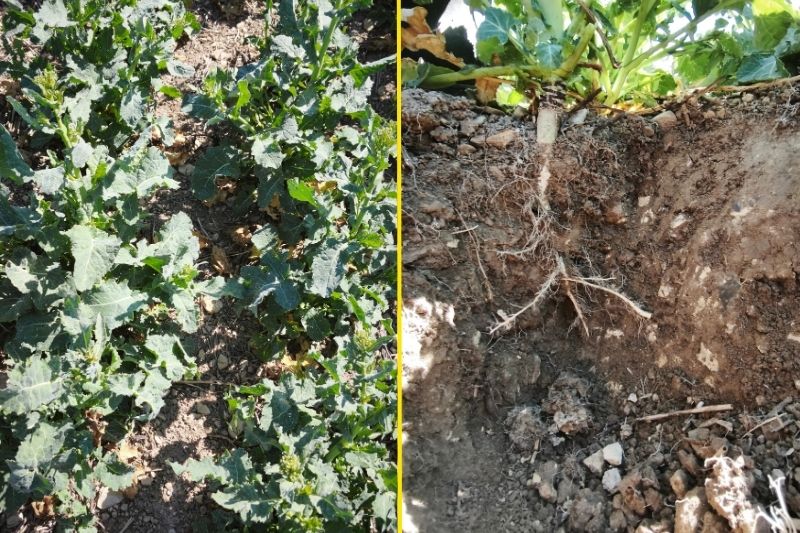
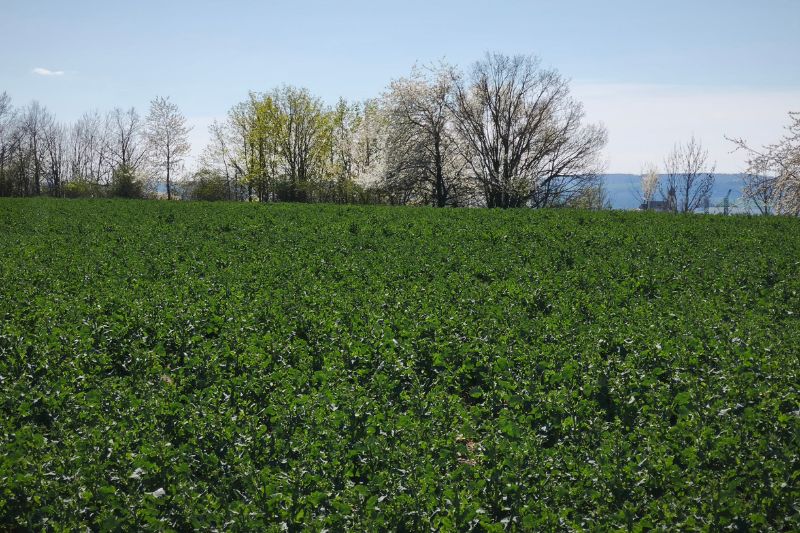
The spring assessment on 9 April 2026 confirms that this technology has had a very positive effect even after overwintering. The plants were in the elongation phase, with visible flower buds, reaching a height of 40 to 50 cm and showing good condition. A key finding was that zonal soil loosening using the MATADOR seed drill coulters contributed to the development of the root system to a depth of at least 25 cm, which is essential at this site for water uptake from the lower soil layers. Remnants of the frozen companion crop were still visible on the surface; their significance lay, among other things, in the formation of infiltration channels along the dead roots and in protecting the soil against the kinetic energy of rainfall.

The density of the vegetation also indicates that the planting system was effective. At the site under evaluation, the number of plants ranged from 18 to 25 plants per m², which, with a row spacing of 37.5 cm, is considered optimal for achieving the desired yield. Although damage caused by voles was evident in part of the plot and the crop was sparser in the lower section, it was assessed as compact overall. This is an important practical finding for farmers: the strip-till technology using the MATADOR MO seed drill does not merely offer theoretical benefits in terms of soil conservation, but can also be seen in the actual stability of the crop and its ability to withstand less favourable conditions during the season.

From both an agronomic and technological perspective, it can therefore be said that the MATADOR MO strip-till seed drill represents a highly effective solution for establishing winter rapeseed in a strip-till system. The combination of strip tillage, planting, localised fertiliser placement and the use of a companion crop leads to better root development, greater crop drought resistance, improved water management and enhanced soil structure. At a time when farms are seeking technologies that combine performance, agronomic benefits and sustainability, strip-till with the MATADOR MO is the way forward, making sense not only from a mechanisation perspective but, above all, in terms of the long-term production stability of the soil and crop.

S námi je radost hospodařit.
[email protected]
BEDNAR FMT s.r.o.

JOY OF FARMING
#
Shop BEDNAR
#
Find a Dealer
#
A Test Ride
#
Download
#
Dealer Area