English
 Čeština
 Українська
 polski
 Français
 Deutsch
 Română
 English – US
 Magyar
 Italiano
 Dansk
Dansk Lietuvių
.png) English – CA
English – CA Español
 Български
 简体中文
简体中文 Русский
 Français – CA
 BEDNAR FMT


NEVEON EE
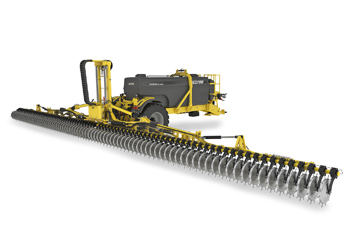

12-18 m

8000 l
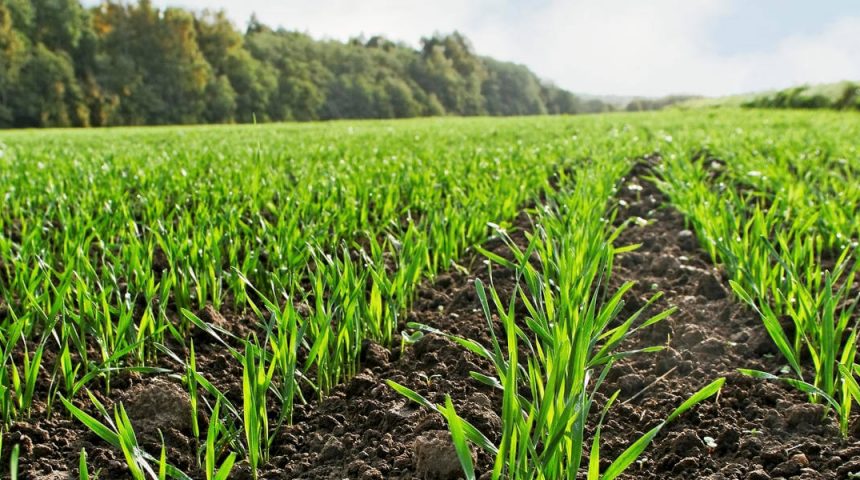
Each crop requires specific conditions for seeding based on the selected tillage technology and climatic conditions. In general, the crop should be seeded within the specified agrotechnical window in order to meet the conditions for achieving the desired yield.
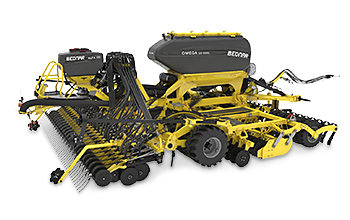
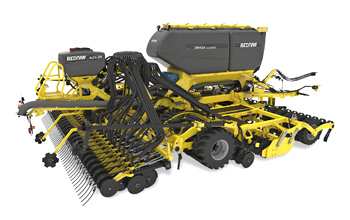
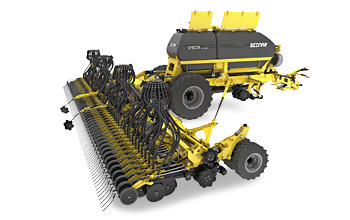
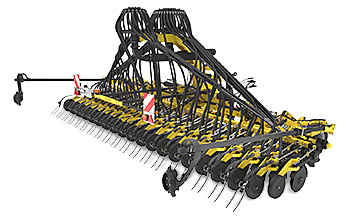
The advantage of the OMEGA range seed drills is their high versatility, which allows these compact seed drills to be used in no-till technologies with a larger amount of crop residues on the surface, in traditional conventional technology with the possibility of seeding into a rough furrow thanks to the effective combination of working parts, or direct establishment of crops into stubble, catch crops, or grasses. The same applies to the EFECTA CE and EFECTA CM wide working width seed drills, which, unlike the OMEGA range seed drills, do not have a disc section for soil preparation, but in the case of the EFECTA CE seed drill, they can be equipped with up to four types of front working accessories.
BEDNAR Seed Drills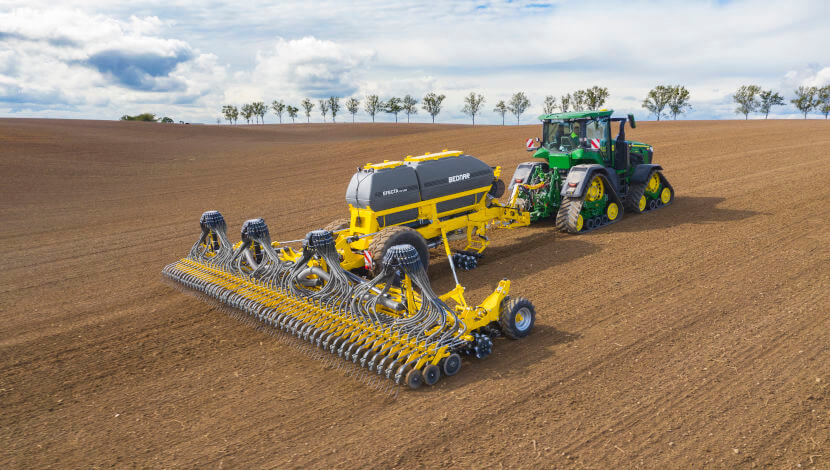
OMEGA seed drills stand out thanks to their unique combination of working parts. The basis of these Seed drills is a double-row disc section, which can be taken out of operation if necessary. Behind the disc working section is a unique PROFI coulter section. This section helps to solve the problem of soil particles, especially when seeding on heavy or wet soils, where the disc section can create sticky clods. Specially shaped PROFI coulters further break up the soil. When seeding into a rough furrow, a hydraulically adjustable Crushbar can be mounted in front of the disc section to break up the rough furrow and level the surface.
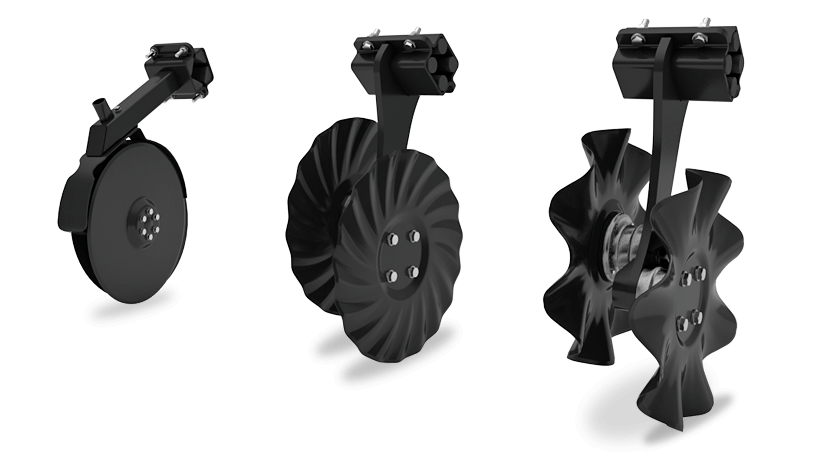
The OMEGA seed drill can work in spring with the working discs completely out of operation. In spring, discs create unwanted soil clumps on heavier soils. The work of the discs, i.e., warming and aerating the upper soil profile, is performed by PROFI coulters. The result is high-quality vegetation with excellent, uniform germination across the entire plot.
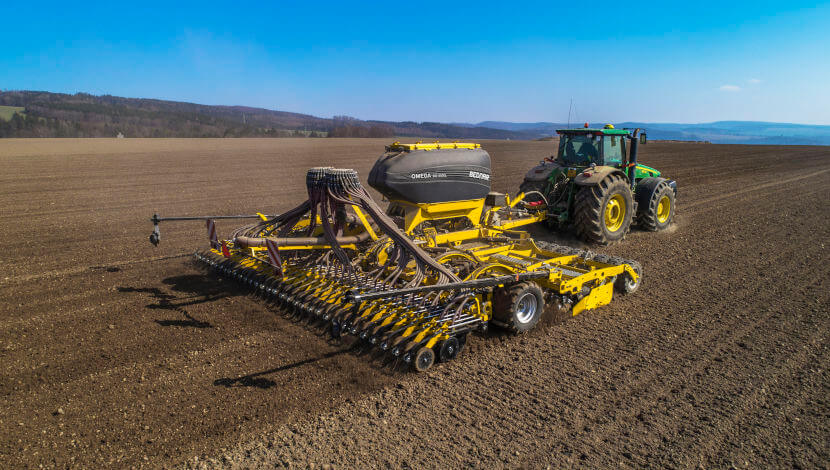
During the summer season, intensive work by front working discs is very important. The discs loosen the soil, cut up crop residues, and mix them with the soil. Profi coulters increase the efficiency of the discs, i.e., they process clods after the discs, cut up and push the remaining plant residues back into the ground.
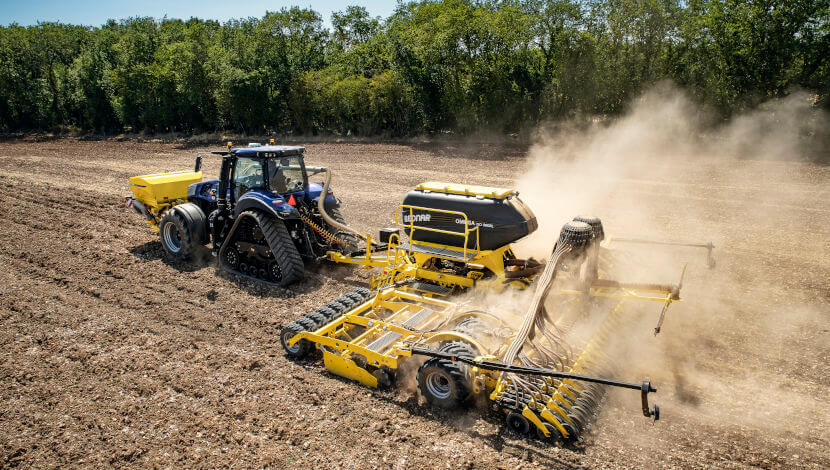
OMEGA versatile seed drills and EFECTA CE wide working width seed drills can be equipped with TURBO coulters instead of PROFI coulters. TURBO coulters work in the same line as rear seeding coulters. The sharp edge of the TURBO coulters creates a seed furrow into which the seeding coulter then places the seed. This equipment option is also suitable for overseeding meadows and pastures.
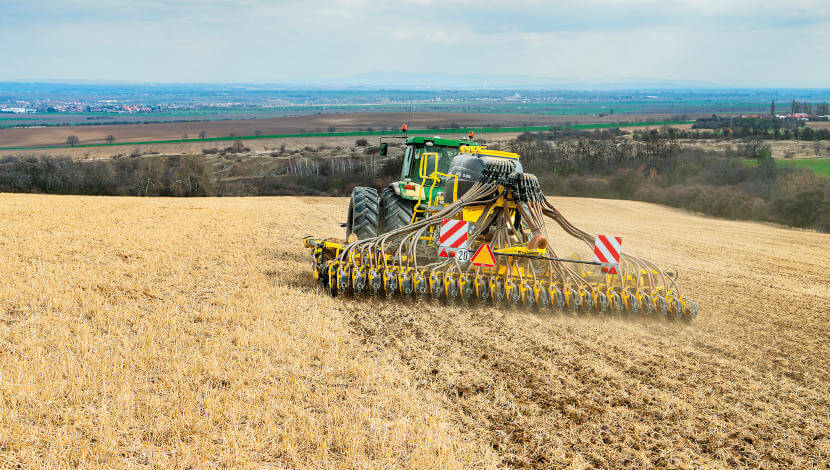
The third option is fertiliser coulters designed for placing fertiliser to mid row and simultaneous seeding of crops in a single pass. The seed placement depth can be easily adjusted. Placing fertiliser in mid row contributes to rapid crop growth, more efficient fertiliser use with easy access to fertiliser for the seeds, and demonstrably higher yields.
OMEGA OO_FL Seed Drill with Fertiliser Placement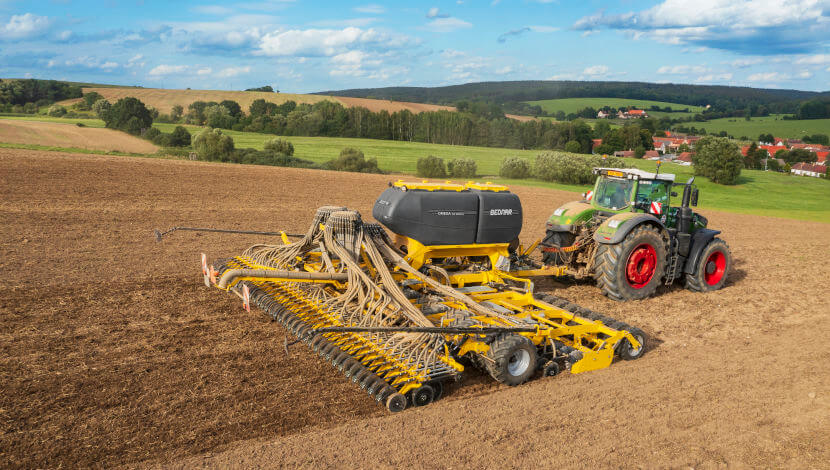
The main reasons why companion crops have begun to be used in crop rotation in recent years are primarily legislative and ecological considerations. There is increasing pressure to introduce better practices that will lead to a reduction in water and wind erosion, an improvement in the organic matter balance, an increase in water infiltration into the soil, and a reduction in the use of chemicals. The long-term use of companion crops can improve the condition of the soil environment, increase the proportion of organic matter, and thus better address limiting factors for yield, such as moisture and nutrition of the main crops.
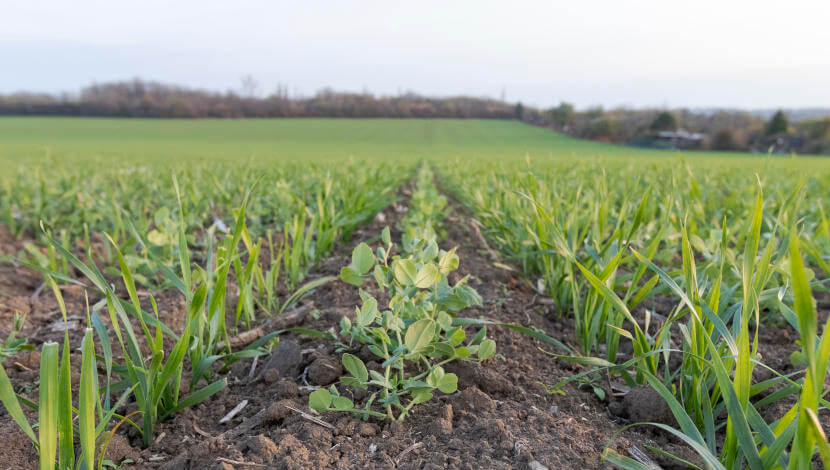
A catch crop is grown to improve soil conditions; it aerates the soil and creates organic green matter that continuously subsides. Catch crops perfectly aerate the soils. Each type of catch crop (tare grass, phacelia, buckwheat, niger seed, scarlet clover, Indian millet, flax, mustard) has a different task because the roots of each catch crop reach a different depth. The roots transfer phosphorus and other elements from lower soil layers to the top. After incorporation, the elements are available for the next crop. In summer, the catch crop creates a shade, eliminates the evaporation of moisture, and reduces the risk of erosion.
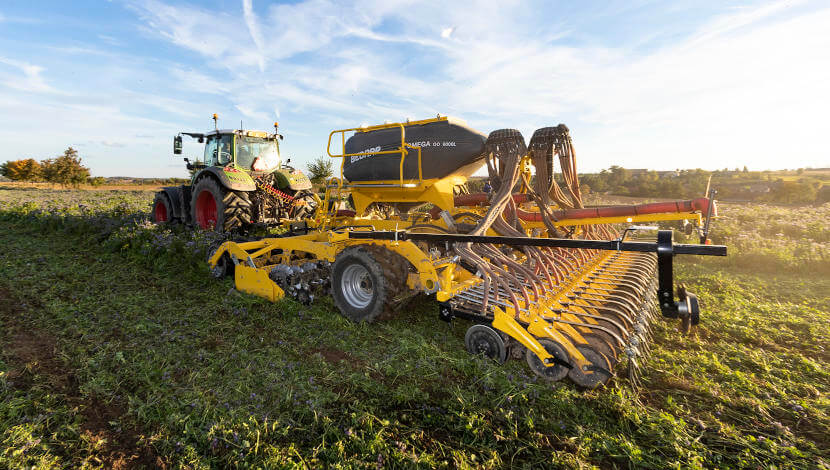
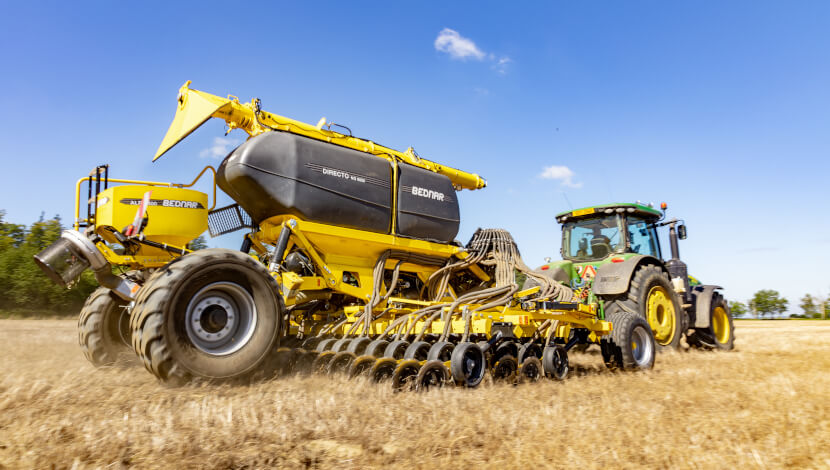
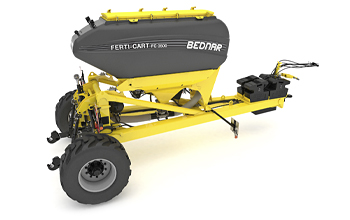
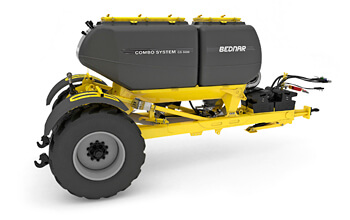
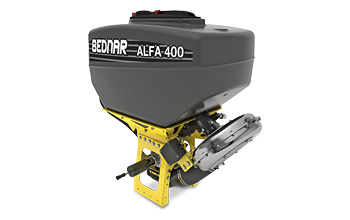
Catch crops are best established using the DIRECTO NO seed drill for direct drilling. Direct seeding of catch crops into uncultivated soil helps to retain water on the land and increases the organic matter and humus in the soil. BEDNAR also offers solutions for seeding catch crops using the ALFA DRILL seeder or in combination with FERTI-BOX FB, FERTI-CART FC, or COMBO SYSTEM CS hoppers during tillage. It is also possible to establish crops using OMEGA versatile seed drills or EFECTA CE wide working width seed drills without prior soil preparation.
OMEGA OO_FL seed drills excel in their high versatility, mainly due to their double-chamber pressurised hopper and the option of fitting an ALFA-DRILL seeder. Thanks to this solution, you can seed up to three crops simultaneously or place two types of fertiliser and seed one crop in one pass. The depth of fertiliser and seed placement can be set individually and completely independently from each other. This technical solution thus allows you to adapt to new agronomic trends and modern methods of establishing crops.
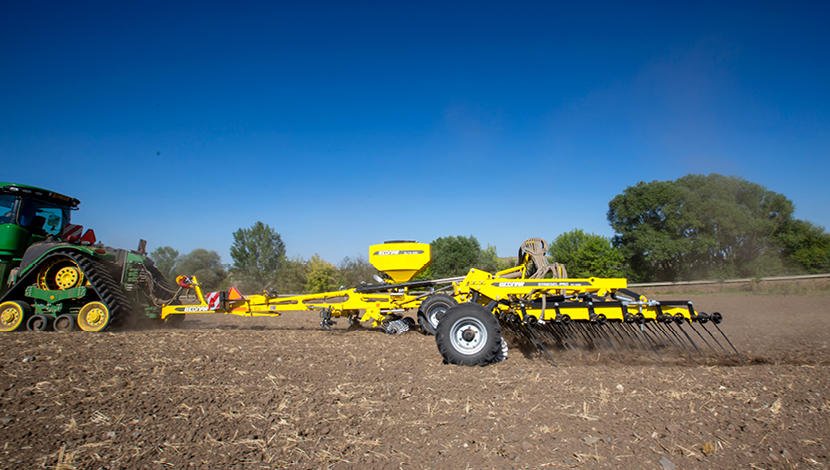
Along with a properly functioning water and air regime in the soil, it is also necessary to address the issue of soil nutrient supply. With the decline in livestock numbers in recent years, there has been a reduction in the application of organic fertilisers, which are currently being replaced mainly by mineral fertilisers. The most commonly used fertilisers include nitrogen, phosphorus, potassium, and calcium fertilisers.
Current knowledge of nutrient behavior in the soil is an important factor in choosing where to place fertiliser in the soil profile. The effectiveness of specific fertilisers depends on their interaction with the soil and on their solubility in water and rate of dissolution.
Placing fertiliser to the soil, known as deep placement fertilisation, should be done together with deep loosening using FENIX tine cultivators, ACTROS combination cultivators, or TERRALAND subsoilers. Fertiliser applied in this precise manner stimulates the root system to grow faster and more vigorously, which helps to solve current problems with soil moisture. This fertiliser placement system is most often used for establishing deep-rooted crops such as maize, sugar beet, or rapeseed.
In this fertiliser placement system, phosphate or combined fertilisers containing phosphorus are mainly applied, and it is also advisable to use nitrogen fertilisers with an ammonium nitrogen component or fertilisers containing sulfur.
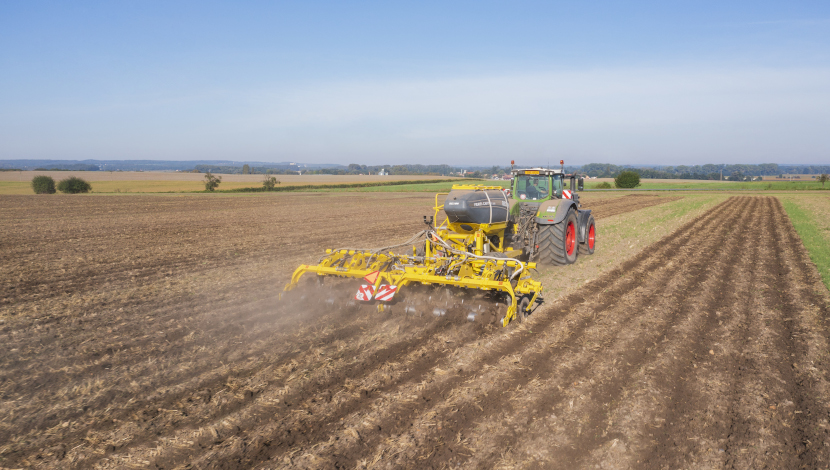
Very interesting results are achieved with targeted placement of fertiliser to the area of the tilled strips. The strips can be tilled with the TERRASTRIP ZN strip-till subsoiler or the STRIP – MASTER EN strip-till cultivator. Fertiliser can then be applied in a single pass. In this case, it is placed only to the tilled strips at a certain depth. Plants can access the fertiliser more easily, and the savings in fertiliser costs are considerable in this case.
Machines for Strip-Till Cultivation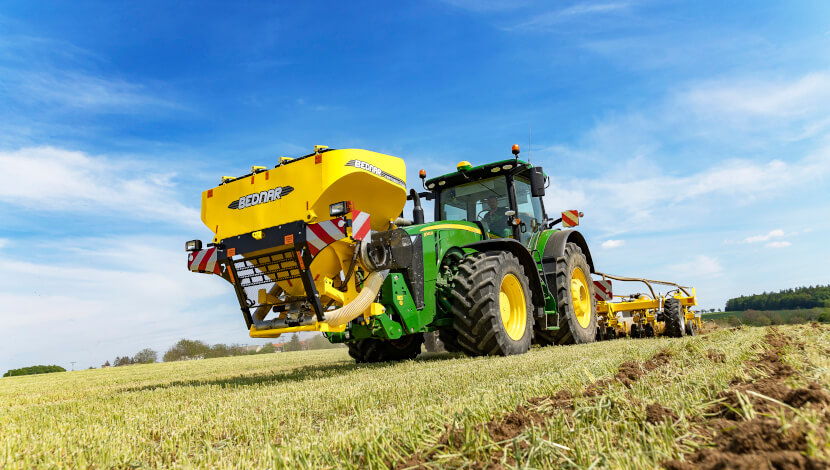
Broadcast fertilisation should be carried out during seedbed preparation. SWIFTER seedbed cultivator can be equipped with a fertiliser application kit in combination with FERTI-BOX fertiliser hopper. The fertiliser is thus evenly applied and mixed into the top layer of soil, where it is easily accessible to plants.
Hoppers for Fertilisers and Seeds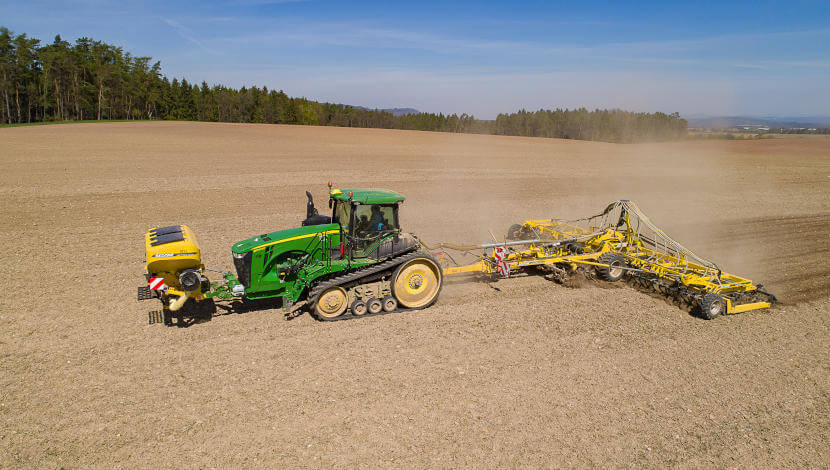
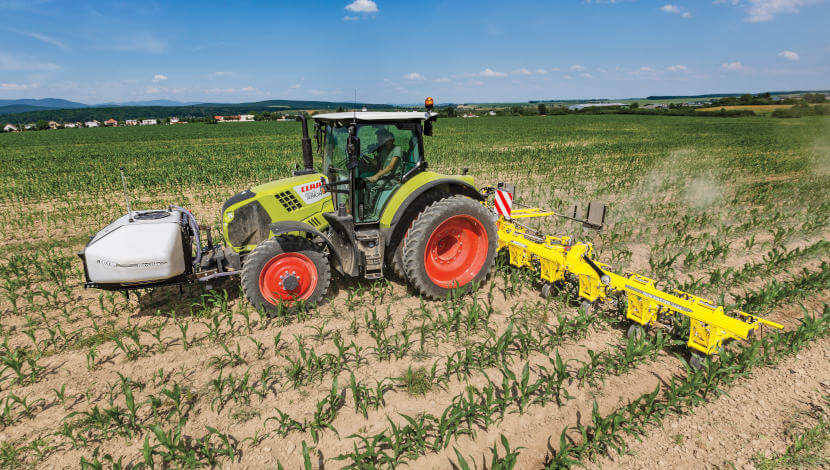
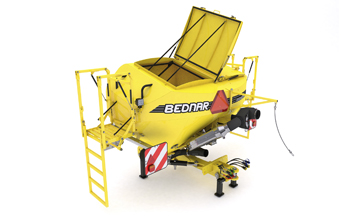
When hoeing, it is advisable to apply liquid or mineral fertilisers using ROW – MASTER row-crop cultivators in combination with FERTI – BOX solid fertiliser hoppers or FERTI – TANK liquid fertiliser tanks. Targeted fertiliser placement saves costs and has been proven to increase yield and the overall resistance of crops to other adverse effects, such as prolonged drought, during vegetation.
“ONLY HIGH-QUALITY SOIL AND SUFFICIENT WATER, AIR, AND NUTRIENTS ARE REQUIRED TO ACHIEVE THE DESIRED YIELD.”
The current trend is direct seeding, where the land has not been previously tilled. Direct seeding is a response to increasing drought and water shortages. The advantage of no-till seeding is that it eliminates soil moisture evaporation, reduces the risk of erosion, soil overheating, and weed infestation, increases the proportion of organic matter in the soil, and contributes to significant savings in time and costs required for seeding crops.
Strip-till technology with simultaneous fertiliser placement and seed placement in loosened strips offers many agronomic benefits, including erosion protection, reduced field traffic, and moisture conservation. The tine section ensures the removal of compacted soil layers and high-quality loosening of strips with the option of simultaneous placement of fertiliser. The seed is then placed in strips that have been fertilised, which offer plants sufficient nutrients and proper root system development.
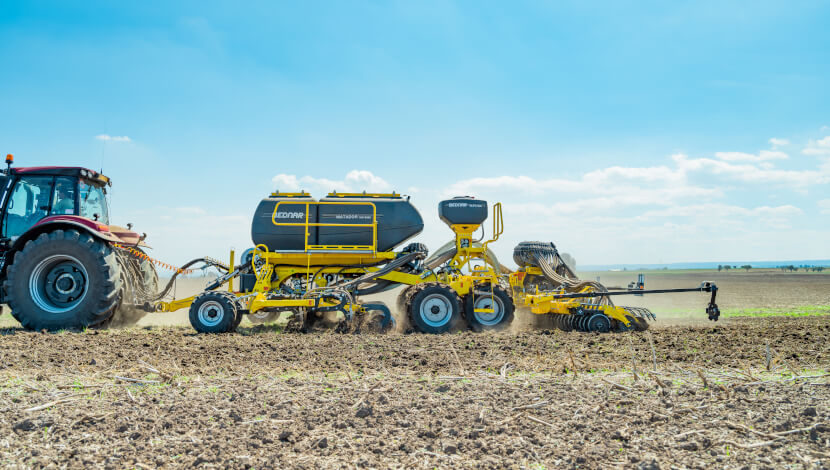

12-18 m
8000 l
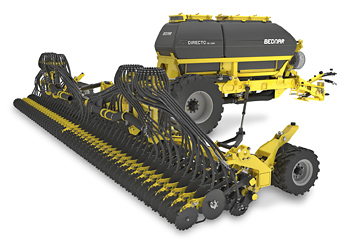
12 m

250-350 hp
6000 l
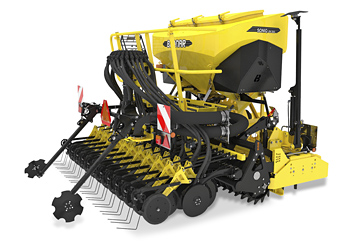
3 m
120-180 hp
1000-1600 l
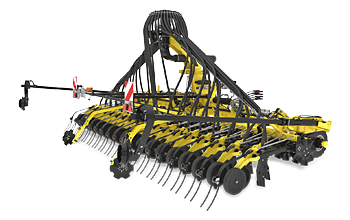
6 m
150-200 hp
5000 l
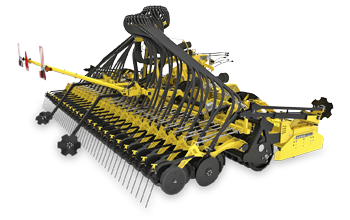
6 m
280-430 hp
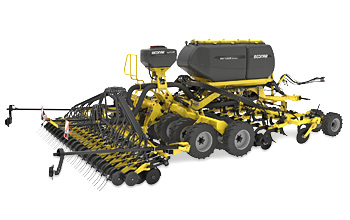
4,5-6 m
210-400 hp
5000 l
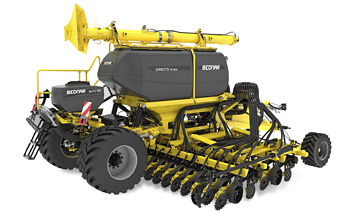
6-8 m
200-360 hp
5000 l
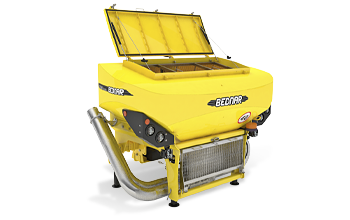
1600 l
3-9 m
120-500 hp
2 800-4 000 l
3500 l
4-9 m
180-500 hp
4000-5000 l

1900-2200 l
3000 l
12-12 m
300-450 hp
6000 l
6-9 m
150-250 hp
5000 l
400-800 l