Menu
×
What are you looking for?
News

The root system of oilseed rape indicates the quality of machine work: STRIP MASTER, MATADOR and direct drilling in practice

Practical findings from the assessment of oilseed rape crops in Odesa show how tillage, loosening depth and fertiliser placement effect the roots, water uptake and pod development.

The oilseed rape root reveals more than a view of the crop surface

Winter oilseed rape can tell us more about the soil than many quick above-ground assessments. Crop height and pod set are important, but the true answer often lies beneath the surface. The taproot shows whether the plant was able to penetrate the profile, find water and utilise nutrients at a time when the top layer of the soil begins to dry out. Rooting depth, the growth direction of the taproot, lateral branching and the ability of the plants to draw water from the lower soil layers are directly related to the work of the machines, the settings of the working tools and the fertiliser placement.

That is precisely why it makes sense to evaluate the root system of oilseed rape in relation to tillage, the depth of fertiliser placement and the seeding method. Both strip-till technology and precise fertiliser placement can create an environment that supports deeper and more uniform rooting. In practice, however, the details are decisive: working depth, the condition of the soil during the operation, potential lateral compaction and the position of the fertiliser relative to the future root.
Trial variants: four technologies, four root responses

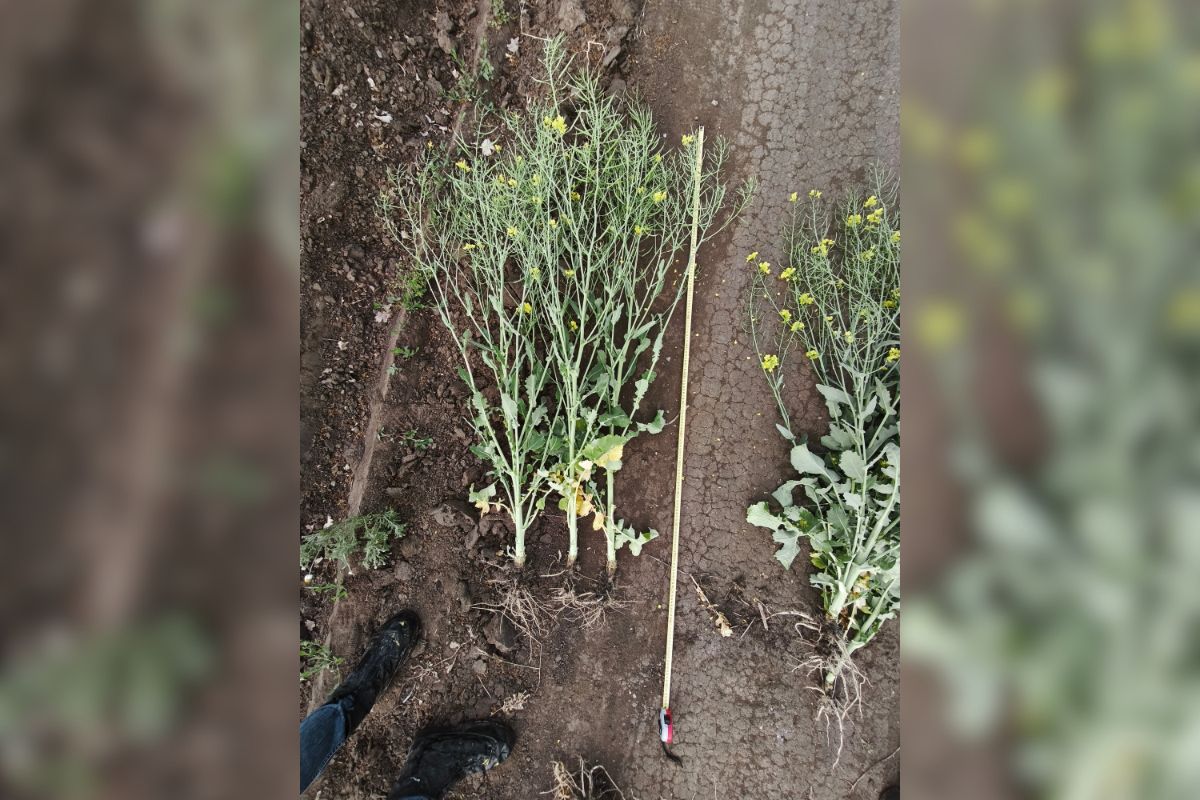
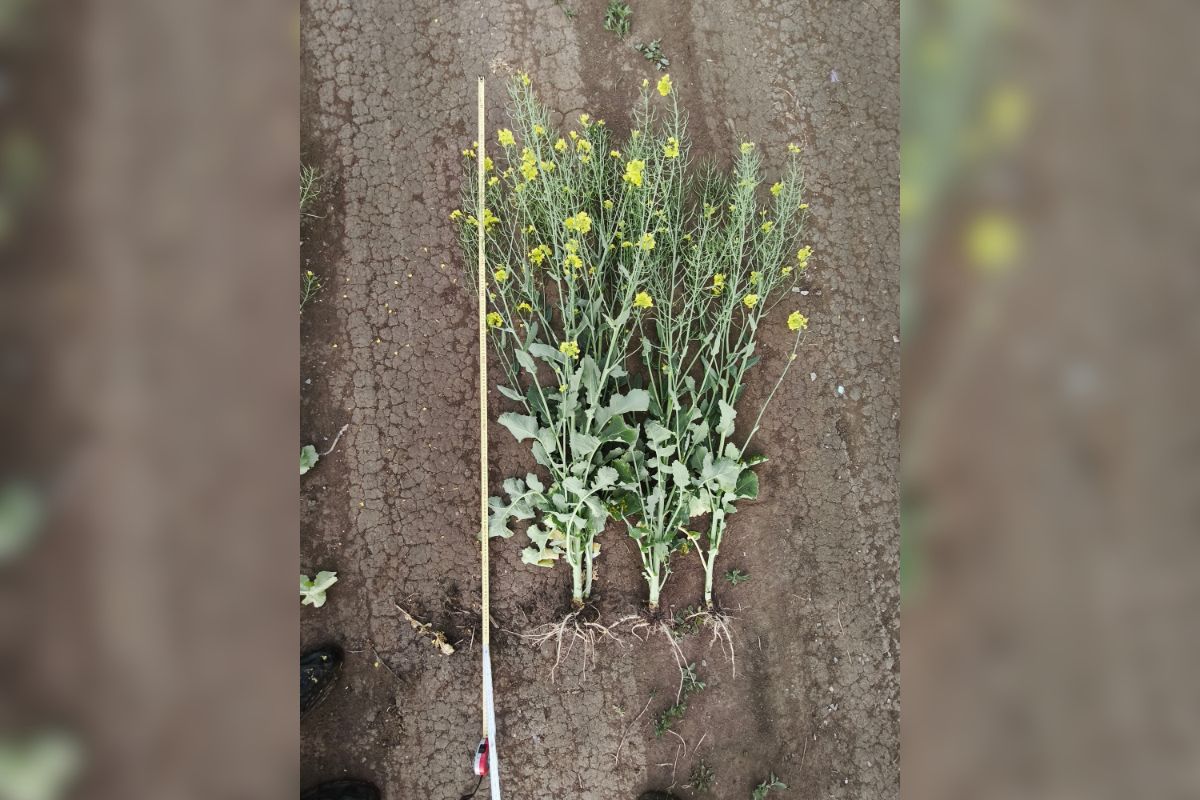
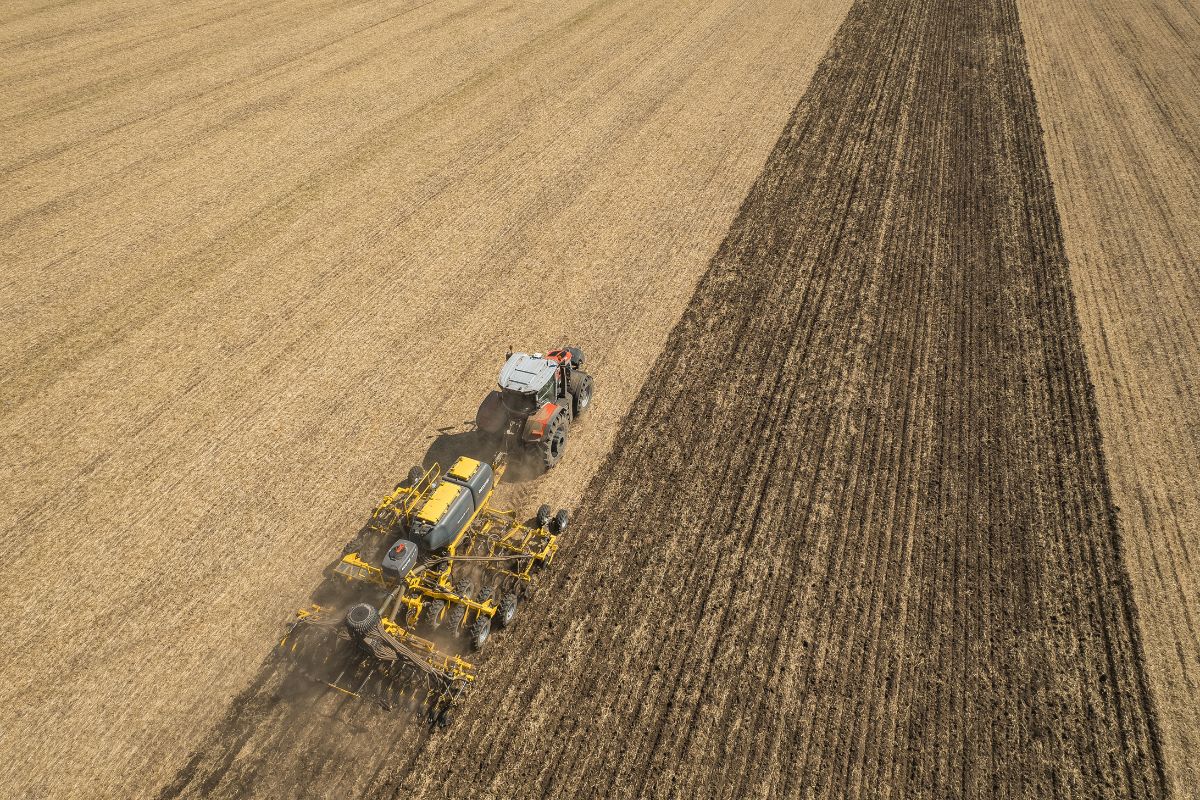
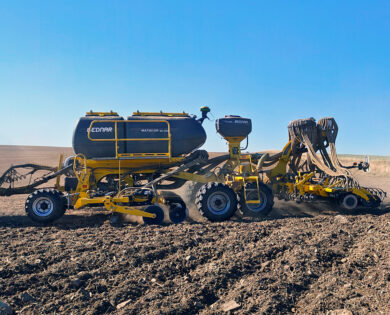
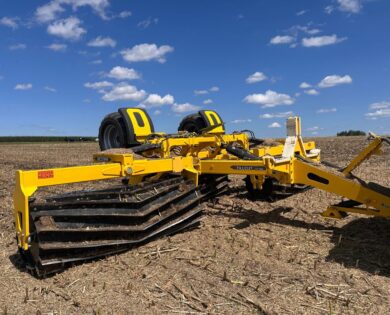
The assessment took place on trial plots with winter oilseed rape on 22 May 2026. Four variants were compared: strip-till tillage using the STRIP MASTER machine to a depth of 22 cm without fertiliser placement, the same STRIP MASTER technology with fertiliser placement, direct drilling with a row spacing of 50 cm, and a variant using the MATADOR machine with loosening to a depth of 22 cm, a row spacing of 37.5 cm and fertiliser placement during seeding.

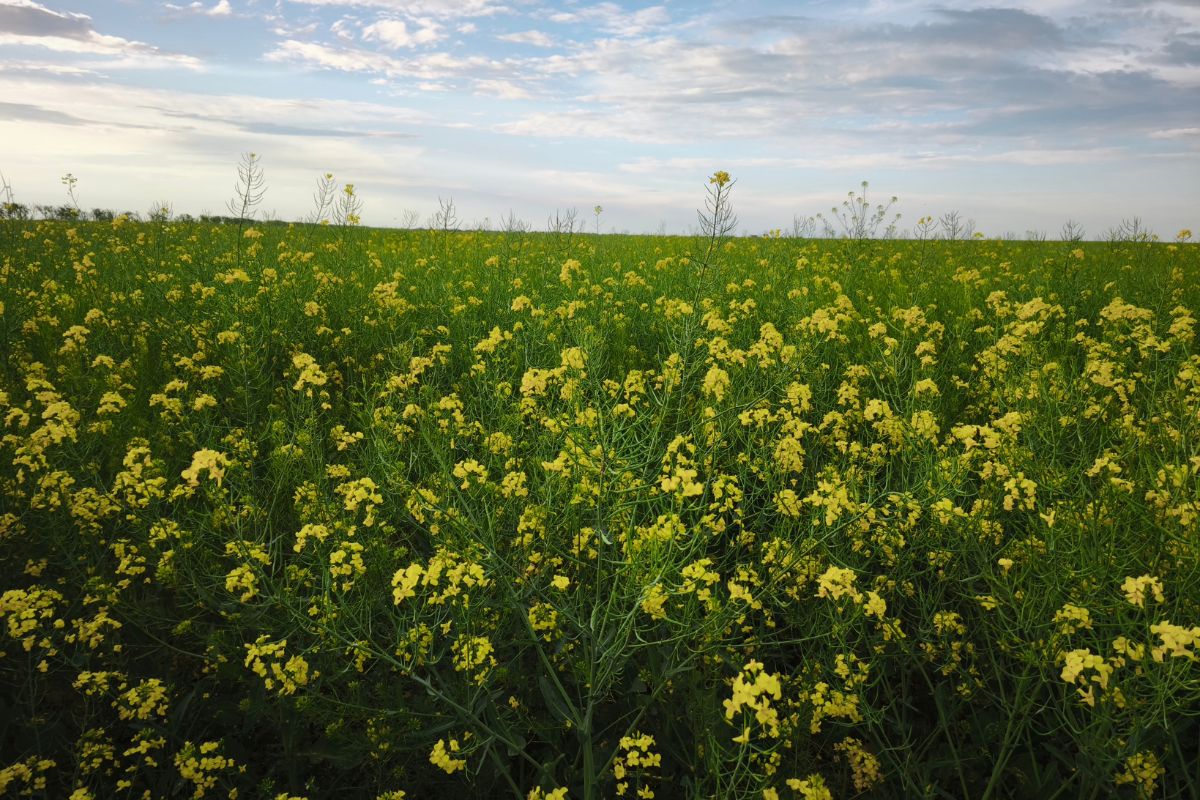
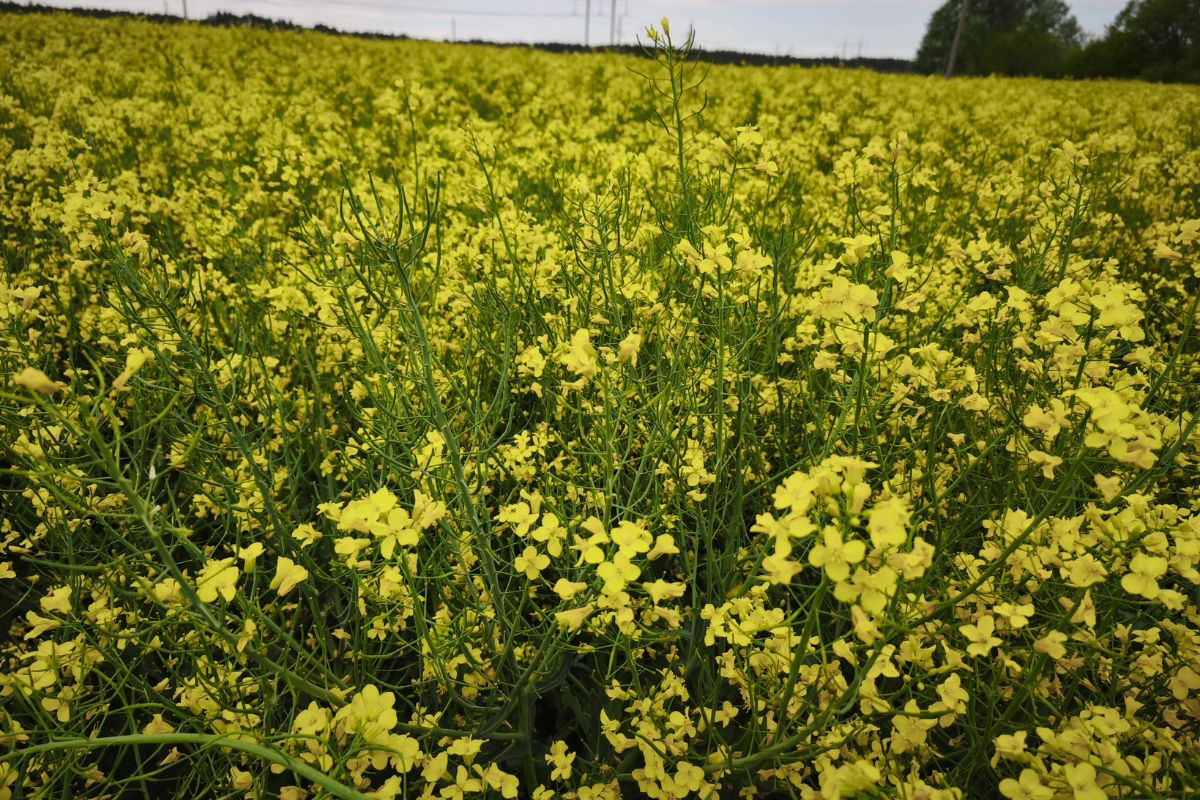
Good crop vitality was evident on the surface in all variants, with the plants reaching a height of approximately 150 to 160 cm. However, the decisive differences were found beneath the soil surface. It was the roots that revealed how the machines had worked the soil profile, whether they had created a sufficiently permeable zone, and whether the fertiliser placement supported root growth in depth or instead encouraged branching in the upper layer.

STRIP MASTER without fertiliser placement

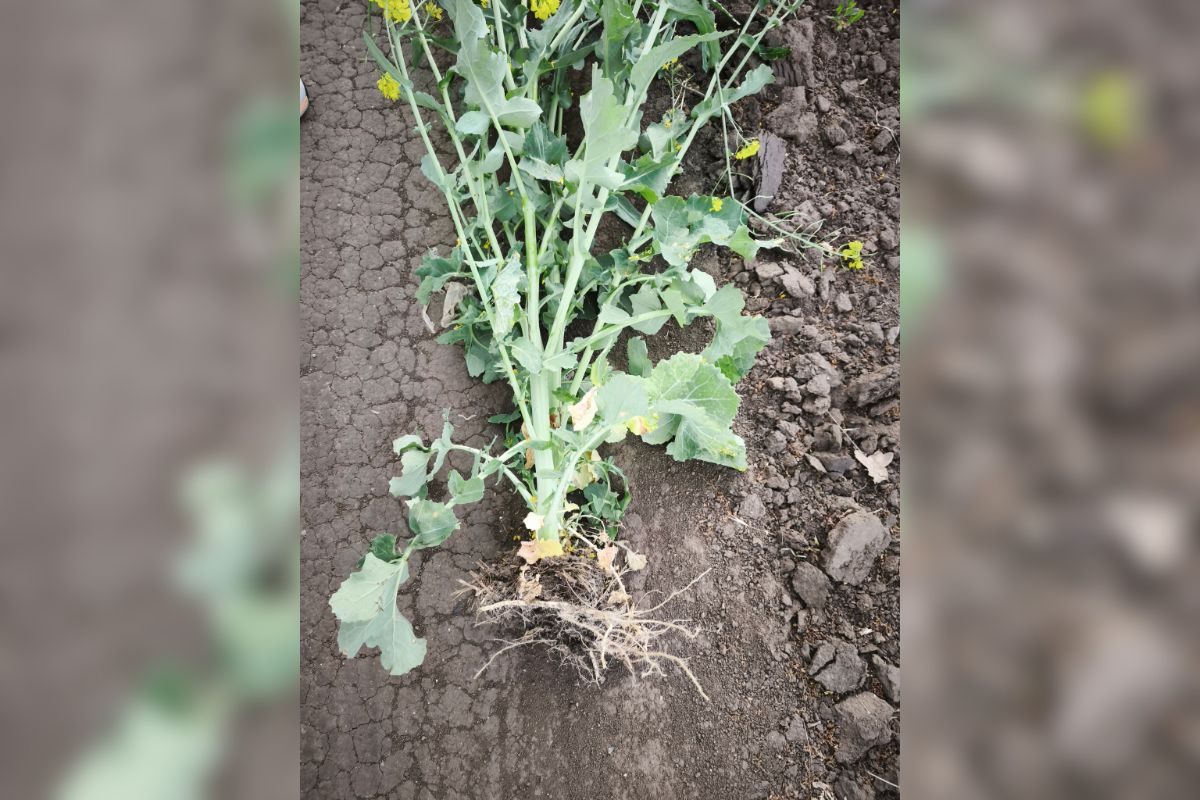
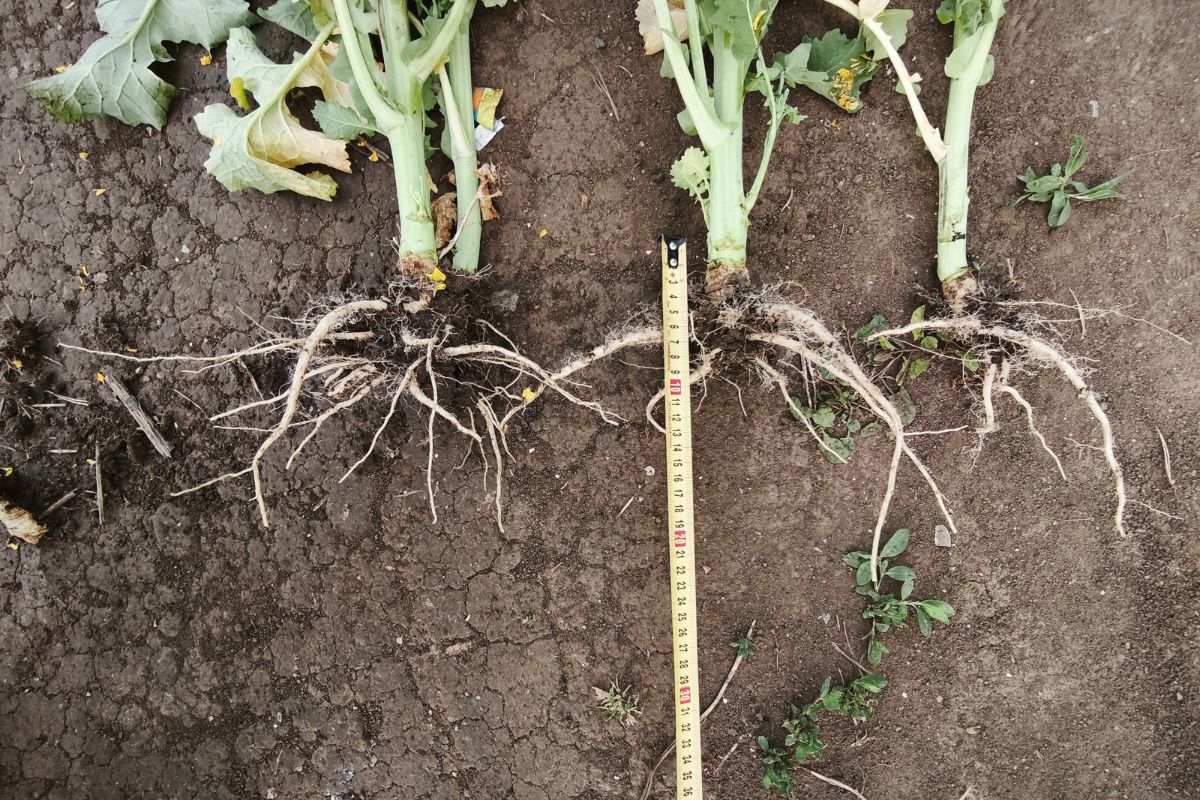
In the STRIP MASTER variant without fertiliser placement, it was evident that the machine had created a worked strip to a depth of approximately 22 cm. The plant roots penetrated to a depth of 20 to 22 cm, essentially corresponding to the loosening depth. From an agronomic perspective, this is important, as a crop established in this manner is better equipped to utilise moisture from the lower parts of the topsoil profile, particularly during dry periods.

At the same time, however, it became apparent that the loosening depth alone is insufficient. In some plants, root development was predominantly oriented in the direction of the loosened row. This phenomenon may be related to the lateral compaction of the soil around the working leg. If a compacted wall is created along the loosened furrow during strip-till, the root will utilise the loosened space but will find it more challenging to penetrate the surrounding profile. The result can be the bending of roots along the row axis instead of even lateral rooting.

Nevertheless, the majority of the plants in this variant exhibited penetration into the lower layers as well as lateral branching. The pods were well-developed and pod drop was minimal. Strip-till technology therefore demonstrated its ability to create a suitable growth path, provided that the machine is set correctly and the soil conditions during the operation do not increase the risk of compaction.

STRIP MASTER with fertiliser placement: the precise placement of nutrients supported branching and root depth

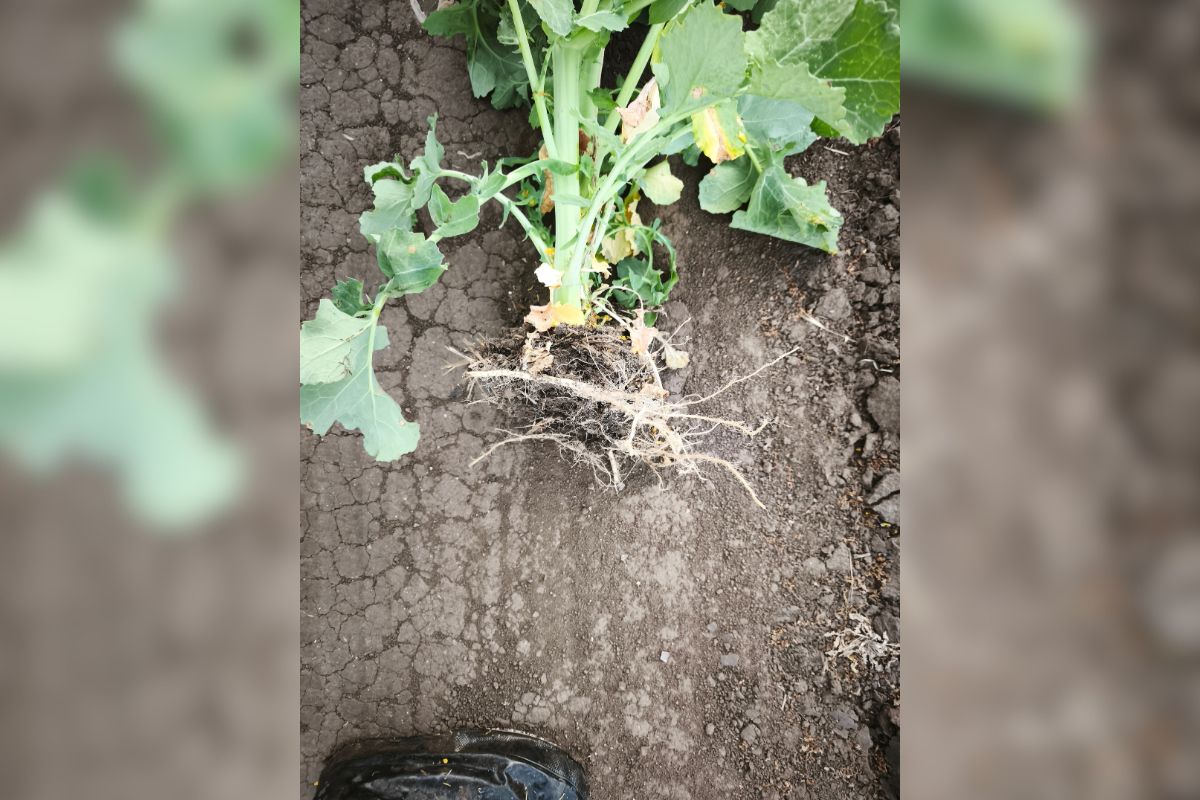
A more pronounced plant response was observed in the STRIP MASTER variant with simultaneous fertilising in the row. In comparison to the unfertilised variant, the plants exhibited more intensive root branching. This demonstrates that the machine served not only as a tool for mechanical loosening of the soil, but also as a means for the targeted placement of nutrients into the root zone.

The fertiliser placed in conjunction with strip tillage acted as a stimulus for root growth. The plant encountered not only lower mechanical resistance in the loosened strip, but also available nutrients and moisture. Consequently, the roots penetrated to the loosening depth and, in places, even deeper. From the perspective of crop resilience, this is a crucial characteristic, as a deeper root system expands the volume of soil from which the oilseed rape can take up water and nutrients.

This variant clearly demonstrates the importance of combining the mechanical work of the machine with precise fertiliser placement. Here, the STRIP MASTER prepared the soil profile, creating a root path and simultaneously helping to channel the root system into the deeper layers. In periods of uneven rainfall distribution, it is precisely this capability that can determine the stability of the crop, the pod set and pod filling.

Direct drilling: less intervention in the soil structure, but more limited root development in depth

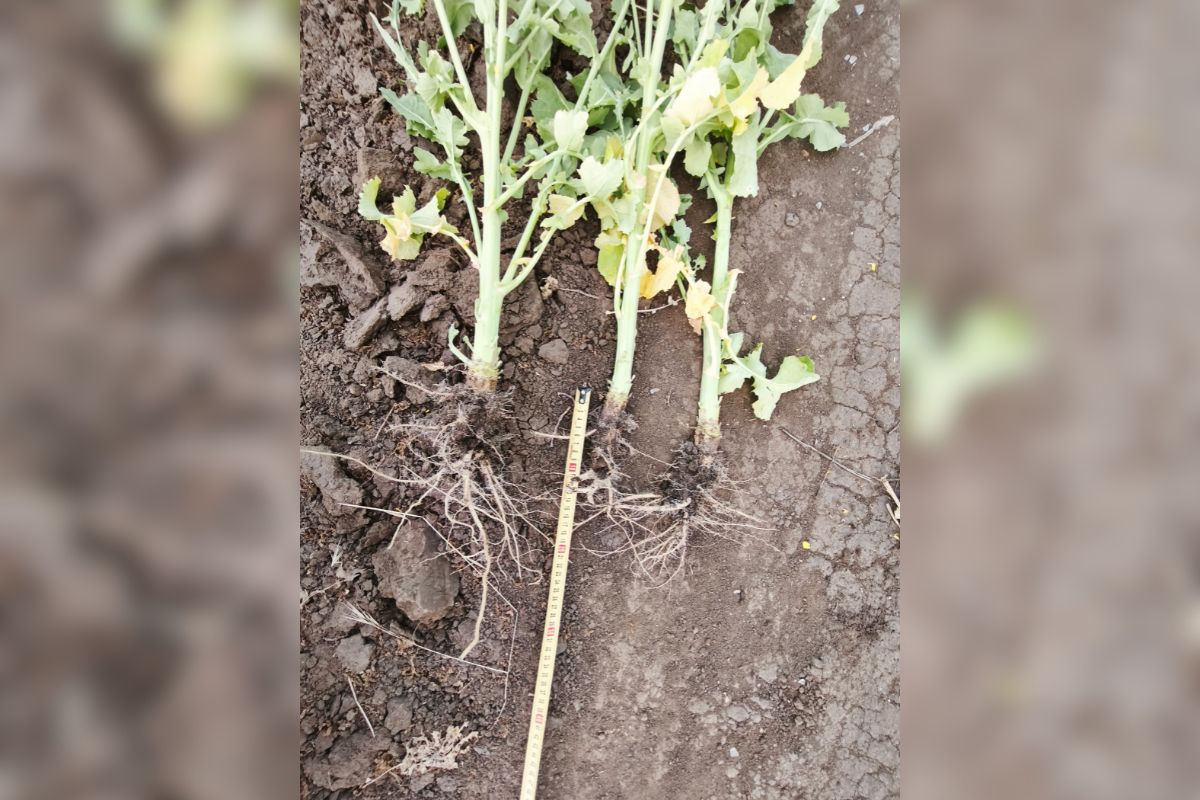
The direct drilling variant with a row spacing of 50 cm showed a different type of response. Above ground, the plants were again tall, reaching approximately 150 to 160 cm, but their root system had more limited development into the lower soil layers. The main reason was the absence of deeper mechanical tillage. The roots therefore adapted more to the natural condition of the profile, its bulk density, the available pores and the locations where the fertiliser was placed.

With direct drilling, the concentration of fertiliser in the upper soil layer can also become apparent. If the plant finds nutrients and moisture predominantly at a shallow depth, it often branches out intensively in this specific zone and invests less in the downward growth of the taproot. In years with abundant rainfall, this may not be limiting, as the upper soil layer provides sufficient water and nutrients.

The risk increases when the surface layer dries out. A plant with a shallower or restricted root system finds it more difficult to draw water from the lower soil layers. Direct drilling can therefore be a suitable technology for reducing passes, protecting soil structure, and reducing erosion, but in oilseed rape crops, it requires very careful monitoring of the soil profile, water reserves, and nutrient availability.

MATADOR: intensive rooting and visibly the largest pods

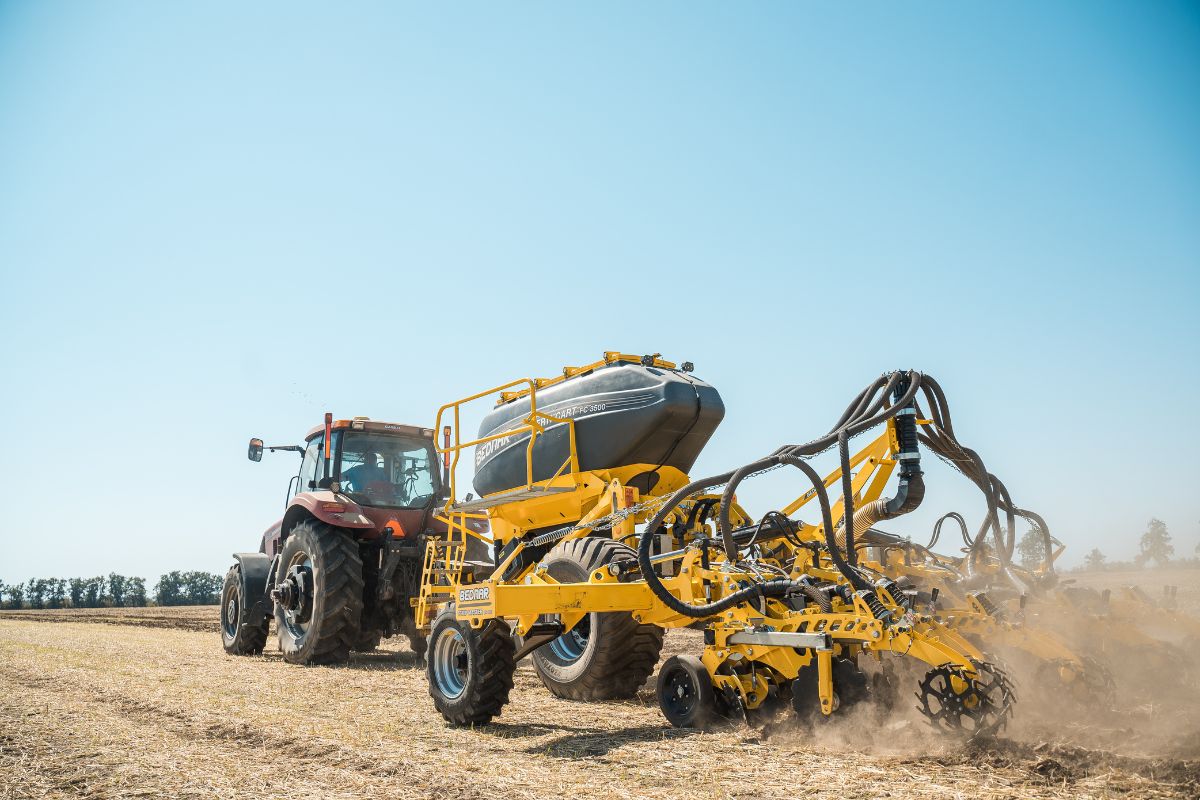
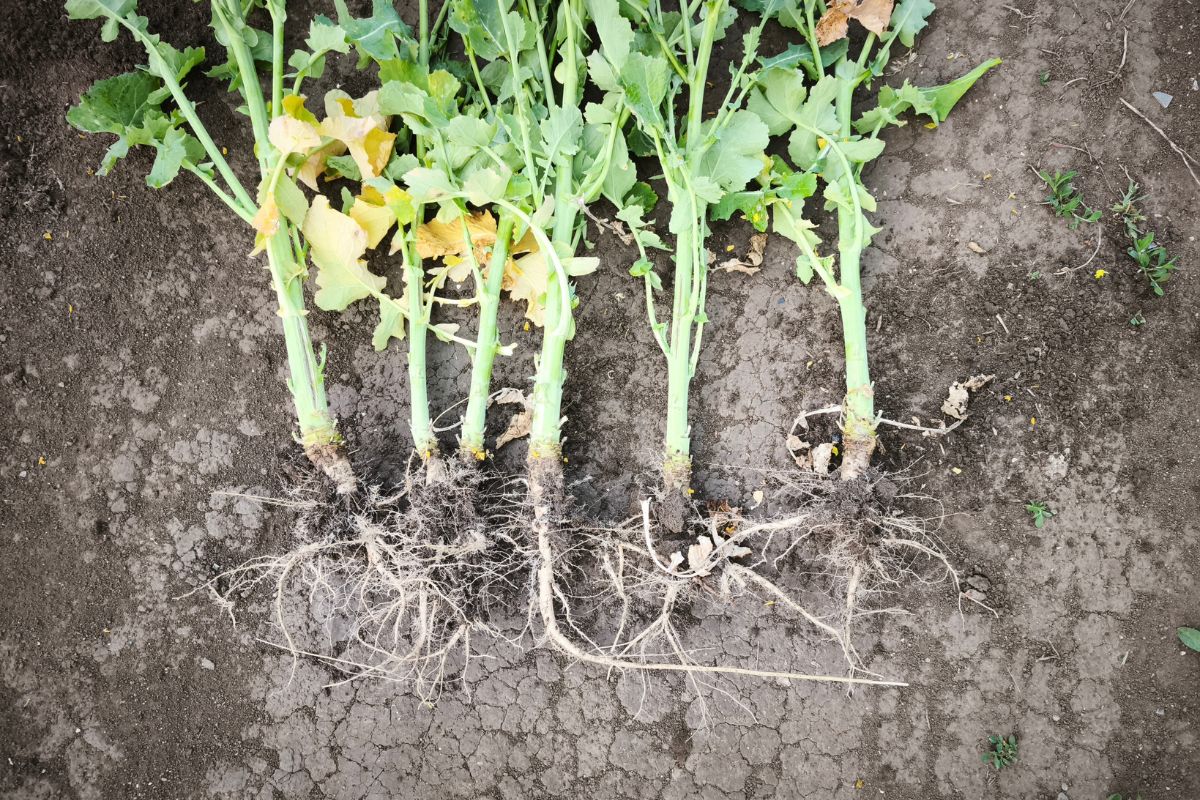
The MATADOR variant yielded highly interesting results, where loosening was carried out to a depth of 22 cm with a row spacing of 37.5 cm and fertiliser placement during seeding. The plants reached heights of 150 to 160 cm and showed intensive rooting in the loosened layer down to the working depth. This confirms that the machine created a zone easily penetrable by the roots and enabled the plants to actively utilise the prepared soil profile.

In this variant, visibly the largest pods were observed. This is an important practical signal because the size and filling of the pods relate not only to above-ground growth but also to the plant’s ability to supply the generative organs with water and nutrients over the long term. An intensive root system in the loosened layer increases the stability of nutrient uptake and can contribute to better pod filling.

The observed horizontal roots indicated the placement of fertiliser at the bottom of the loosened furrow. From the perspective of the machine’s operation, this is a significant finding. Here, MATADOR did not merely create a physically loosened layer, but simultaneously directed the root system into a zone with higher nutrient availability. The roots thus reacted to the combination of lower mechanical soil resistance and the attractiveness of the fertiliser.

What roots say about the quality of the machines' work

One key rule emerges from the provided materials: the work of the machine in oilseed rape cannot be evaluated solely by the appearance of the seed bed or the uniformity of emergence. The true quality of the technology is reflected in the root system. The standard root system of winter oilseed rape has a deeply penetrating taproot, an even lateral branching, and is not limited by a compacted layer or technogenic compaction resulting from tillage.

If the soil is compacted, or if the working tools of the machine create a compacted bottom or walls in the loosened furrow, the root reacts to this barrier by changing its direction of growth. It may turn sideways, grow horizontally along the row, or remain in a zone where there is lower soil resistance and higher nutrient availability. For strip-till, the correct setting of the legs, a suitable working speed, the correct depth, and, above all, working at the appropriate soil moisture are therefore exceptionally important.

Equally important is the placement of the fertiliser. Fertiliser placed deeper during zonal tillage can encourage root growth into the lower layers. Conversely, shallowly placed fertiliser or fertiliser concentrated in the upper layer can encourage root branching just below the surface. This may not be a problem in years with abundant rainfall, but when the upper soil layer dries out, restricted deep rooting can become a significant limitation.

Practical recommendation: the machine must create a root strategy, not just till the soil

For growers, it follows that the deciding factor is not only the choice of machine but also its setting and integration with plant nutrition. The loosening depth, row spacing, placement of the fertiliser, and working soil conditions collectively determine whether the root system of the oilseed rape will grow in depth or remain restricted to the upper layer or the centre of the row. A well-performing machine creates not only growing space for the plant but also a survival strategy during periods of drought.

Oilseed rape can demonstrate very precisely what actually happened in the soil after the pass of the machine. A strong, deep, and well-branched root system means better access to water, more stable nutrition, and a higher chance of well-developed pods. The work of machines is therefore not just a technical operation before seeding; it is one of the main factors determining the vitality of the crop, its resistance to stress, and the final yield potential.

JOY OF FARMING
[email protected]
BEDNAR FMT s.r.o.

Latest articles

More news
JOY OF FARMING
#
Shop BEDNAR
#
Find a Dealer
#
A Test Ride
#
Download
#
Dealer Area