1. Disruption of the plough pan and layers of consolidation
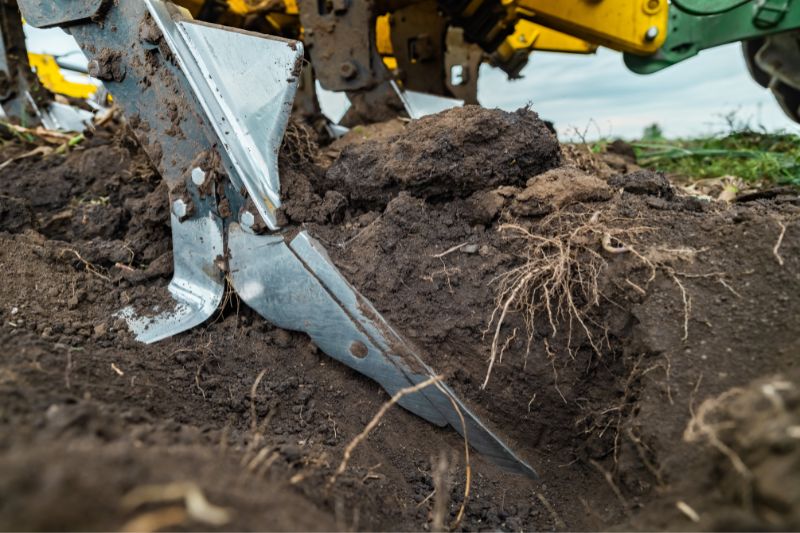
Whilst a plough typically operates within the topsoil horizon, a subsoiler can specifically target compaction located at greater depths. Breaking up the impermeable layer creates conditions for better rainwater infiltration, aeration of the soil profile and deeper root system development. The aim is therefore not always to work as deeply as possible, but to set the depth according to the actual location of the layer of compaction.
2. Higher productivity and less time per hectare
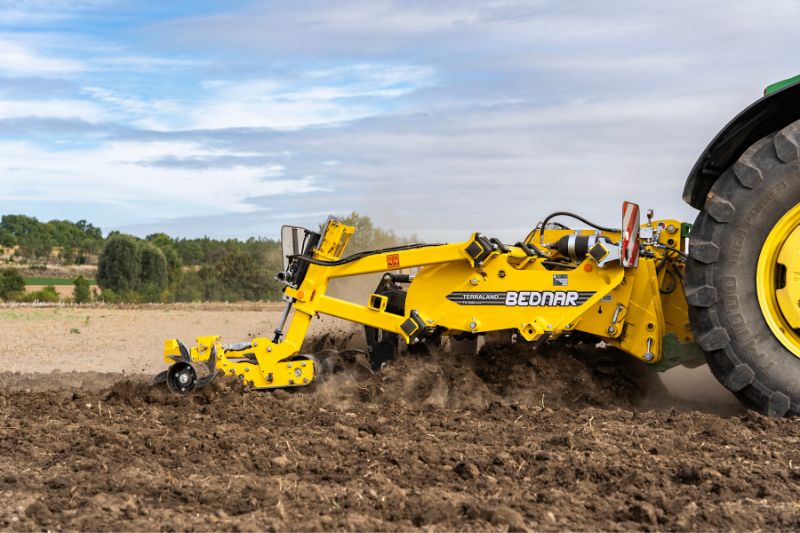
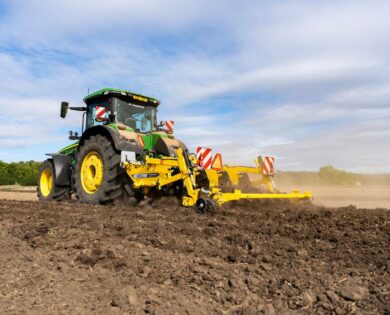
Under suitable conditions, deep loosening can replace basic ploughing whilst simultaneously reducing the requirements for subsequent preparation. The main advantage of the TERRALAND TN over a plough is the ability to work deeper, faster and with lower tractor power requirements. The benefits are particularly evident during short agrotechnical windows, when a large area needs to be tilled within a limited time.
3. Crop residues remain in the active part of the soil profile
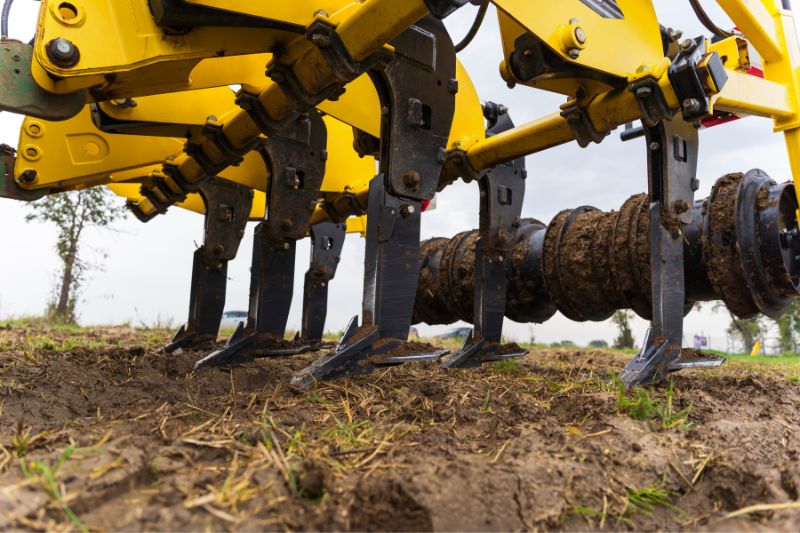
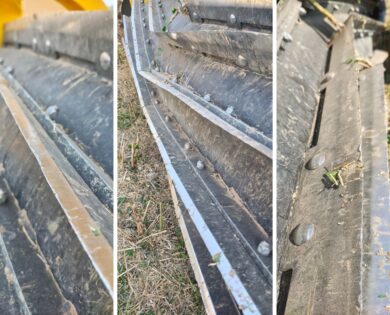
Ploughing turns over the topsoil and deposits some of the crop residues at the bottom of the furrow. The TERRALAND TN, with its ACTIVE-MIX leg ploughs, intensively loosens the soil and mixes it with crop residues without the conventional turning of the soil profile. This is suitable where the aim is to combine deeper penetration with an intensive mixing effect and to handle a larger quantity of organic matter in a single pass.
4. Deep loosening and profile fertiliser placement in a single pass
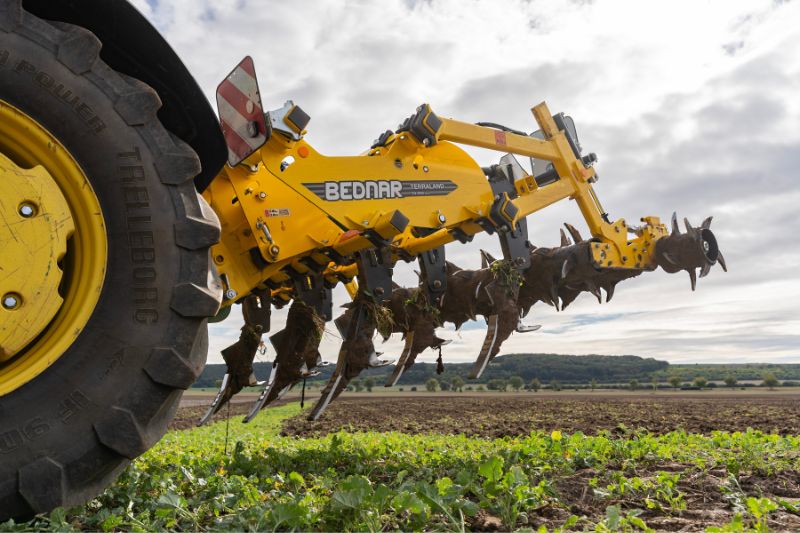
A key feature of the TERRALAND TN is the combination of deep tillage with the incorporation of fertiliser into the soil profile. Fertiliser can be targeted at deeper layers, where it can enhance the availability of nutrients to the roots. From a work organisation perspective, this also offers the opportunity to combine two operations into a single pass and minimise further movement of machinery across the field.
 English
 Čeština
 Українська
 polski
 Français
 Deutsch
 Română
 English – US
 Magyar
 Italiano
 Dansk
Dansk Lietuvių
.png) English – CA
English – CA Español
 Български
 Русский
 BEDNAR FMT